
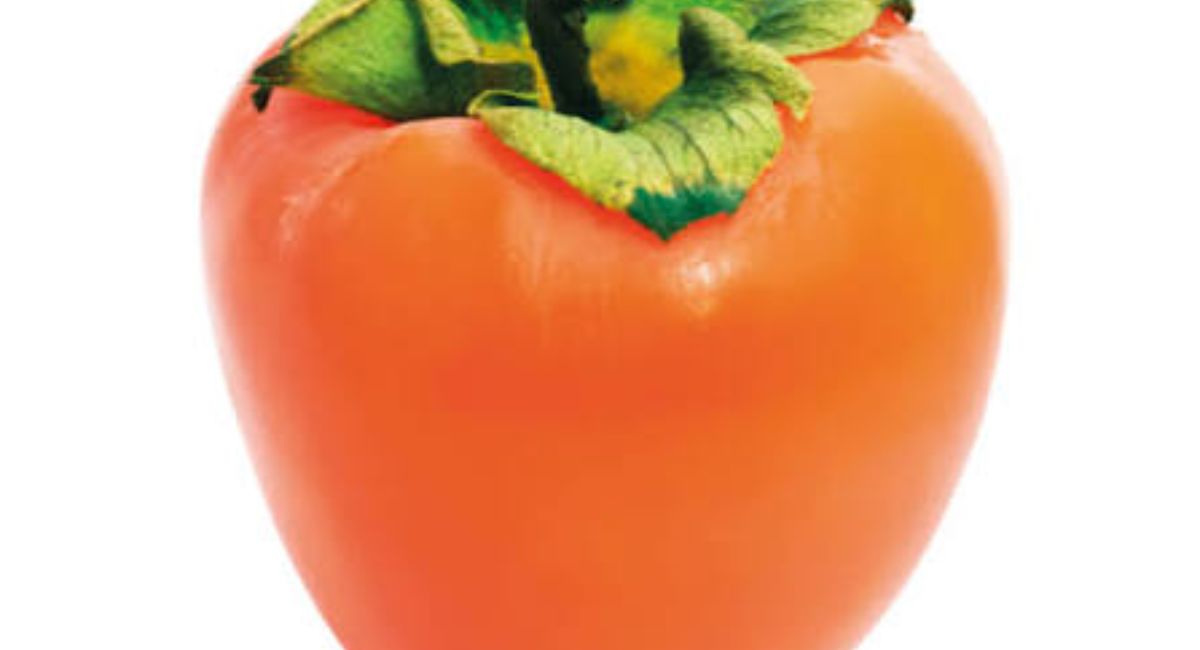

Have you ever come across a bright orange fruit that looks a bit like a tomato and wondered what it was? Chances are you were looking at a persimmon. This unique fruit has been enjoyed for centuries across different cultures and is gaining popularity worldwide because of its sweet taste, impressive nutritional profile, and versatility.
Whether you’re curious about its health benefits, interested in adding new fruits to your diet, or thinking about growing a fruit tree in your garden, this guide covers everything you need to know. Think of this fruit as nature’s candy—sweet, colorful, and loaded with goodness.
What Is a Persimmon?
A persimmon is an edible fruit produced by trees belonging to the Diospyros genus. The fruit is known for its vibrant orange color, smooth skin, and naturally sweet flavor.
Native to East Asia, particularly China, it has been cultivated for thousands of years. Over time, its popularity spread to Japan, Korea, Europe, and eventually North America and other parts of the world.
Depending on the variety, the texture can range from crisp like an apple to soft and jelly-like when fully ripe.
The History and Origin of Persimmons
Ancient Roots
The cultivation of persimmons dates back more than 2,000 years. Ancient Chinese civilizations valued the fruit for both its flavor and medicinal properties.
Global Expansion
As trade routes expanded, the fruit found its way to neighboring countries. Japan developed many popular varieties, while European and American growers later adapted cultivation methods to suit local climates.
Today, persimmons are grown commercially in many regions with warm summers and mild winters.
Different Types of Persimmons
Not all persimmons are the same. Understanding the main varieties helps you choose the best one for your taste.
Fuyu Persimmon
Fuyu is one of the most popular varieties. It can be eaten while still firm and crisp.
Characteristics:
- Sweet flavor
- Crunchy texture
- Flat, tomato-like shape
- Easy to eat fresh
Hachiya Persimmon
This variety must become fully ripe before consumption.
Characteristics:
- Acorn-shaped fruit
- Extremely sweet when ripe
- Soft, pudding-like texture
- High natural sugar content
American Persimmon
Native to North America, this variety produces smaller fruits but offers a rich and complex flavor.
Chocolate Persimmon
Known for its brown-flecked flesh, this variety has a unique sweetness and appealing appearance.
Nutritional Value of Persimmons
One reason nutrition experts appreciate persimmons is their impressive nutrient content.
Key Nutrients
Persimmons contain:
- Dietary fiber
- Vitamin A
- Vitamin C
- Potassium
- Manganese
- Copper
- Antioxidants
Low in Fat
The fruit contains very little fat and no cholesterol, making it a healthy addition to most eating plans.
Rich in Natural Sugars
Its natural sweetness satisfies cravings without relying on processed desserts.
Health Benefits of Persimmons
Supports Immune Function
The high vitamin C content helps support the body’s natural defense mechanisms. Regular consumption may contribute to overall wellness and resilience.
Promotes Eye Health
Vitamin A plays a significant role in maintaining healthy vision. The orange color of the fruit reflects the presence of beneficial plant compounds associated with eye health.
Aids Digestion
Fiber helps support healthy digestion and promotes regular bowel movements.
Many people find that adding fiber-rich foods to their meals helps improve digestive comfort.
Supports Heart Health
The fruit contains antioxidants and fiber that may contribute to cardiovascular wellness when included as part of a balanced diet.
Helps Fight Oxidative Stress
Antioxidants help protect cells from damage caused by free radicals. This protection may support long-term health and healthy aging.
How Persimmons Taste
One of the most common questions people ask is: What does a persimmon taste like?
The answer depends on the variety and ripeness.
Flavor Profile
Many describe the taste as a blend of:
- Honey
- Apricot
- Mango
- Pumpkin
- Brown sugar
When fully ripe, the fruit develops a rich sweetness that feels almost dessert-like.
Texture Differences
Fuyu varieties are crisp and refreshing, while ripe Hachiya fruits become silky and custard-like.
This contrast makes persimmons suitable for many culinary applications.
How to Eat Persimmons
The beauty of persimmons lies in their versatility.
Fresh Consumption
Simply wash the fruit and enjoy it fresh.
Firm varieties can be sliced and eaten like apples.
In Salads
Persimmon slices add color and sweetness to salads.
They pair especially well with:
- Leafy greens
- Nuts
- Cheese
- Citrus fruits
Smoothies
Adding ripe persimmons to smoothies creates a naturally sweet and creamy texture.
Desserts
Persimmons can be used in:
- Cakes
- Muffins
- Puddings
- Cookies
- Tarts
Their sweetness often reduces the need for additional sugar.
Cooking and Recipe Ideas
Persimmon Bread
A favorite seasonal recipe that combines ripe fruit with warm spices.
Fruit Bowls
Mix slices with berries, bananas, and grapes for a colorful breakfast.
Jam and Preserves
The fruit’s sweetness makes it ideal for homemade spreads.
Frozen Treats
Blend ripe fruit and freeze it to create refreshing desserts.
Growing Persimmon Trees
For gardening enthusiasts, growing a persimmon tree can be a rewarding experience.
Climate Requirements
Most varieties thrive in:
- Warm summers
- Mild winters
- Well-drained soil
- Full sunlight
Planting Tips
Choose a sunny location and provide enough space for the tree to mature.
Young trees benefit from regular watering during establishment.
Maintenance
Persimmon trees generally require:
- Seasonal pruning
- Occasional fertilization
- Pest monitoring
Compared to some fruit trees, they are relatively easy to maintain.
Harvesting and Storage
When to Harvest
Harvest timing depends on the variety.
Some are picked while firm, while others should remain on the tree until soft.
Storage Tips
For firm fruit:
- Store at room temperature until ripe.
- Refrigerate to extend freshness.
For ripe fruit:
- Consume within a few days.
- Refrigerate to maintain quality.
Freezing
Persimmons can be frozen for longer storage and later use in recipes.
Common Mistakes When Eating Persimmons
Eating Astringent Varieties Too Early
One of the biggest mistakes is consuming certain varieties before they are fully ripe.
Unripe fruit may produce a strong mouth-drying sensation due to tannins.
Ignoring Ripeness Indicators
Always learn the characteristics of the variety you’re purchasing.
Improper Storage
Storing fruit incorrectly can affect texture, flavor, and shelf life.
Proper handling helps preserve quality.
Persimmons in Culture and Tradition
Persimmons hold cultural significance in several countries.
In many Asian cultures, they symbolize good fortune, longevity, and prosperity. Dried persimmons are often enjoyed during festivals and family gatherings.
Artists and poets have also celebrated the fruit for its beauty and seasonal symbolism.
Its bright orange appearance has become associated with autumn and harvest celebrations in many regions.
Why Persimmons Deserve a Place in Your Diet
Persimmons offer an impressive combination of flavor, nutrition, and versatility. From supporting overall wellness to enhancing recipes with natural sweetness, they provide benefits that go far beyond their attractive appearance.
Whether eaten fresh, blended into smoothies, baked into desserts, or grown in a backyard orchard, this remarkable fruit offers something for everyone. As more people discover its unique taste and nutritional value, persimmons continue to earn their place among the world’s most appreciated fruits.
Conclusion
Persimmons are much more than just a colorful seasonal fruit. They combine rich flavor, valuable nutrients, and remarkable versatility in a single package. With varieties ranging from crisp and refreshing to soft and custard-like, there is a persimmon for nearly every preference. Their long history, cultural importance, and potential health benefits make them a fascinating addition to any diet. If you haven’t tried one yet, now might be the perfect time to experience this naturally sweet treasure for yourself.
Frequently Asked Questions
1. Are persimmons healthy?
Yes. They provide fiber, vitamins, minerals, and antioxidants that support overall health and wellness.
2. Can you eat persimmon skin?
Yes. The skin is edible and contains additional fiber and nutrients. Simply wash the fruit thoroughly before eating.
3. What is the best way to know if a persimmon is ripe?
Ripeness depends on the variety. Some are eaten while firm, while others should become very soft before consumption.
4. Can persimmons help with digestion?
Yes. Their fiber content may support healthy digestion and regular bowel movements.
5. Are persimmons good for weight management?
They can be. Their fiber helps promote fullness, and their natural sweetness may reduce the desire for processed snacks and desserts.