
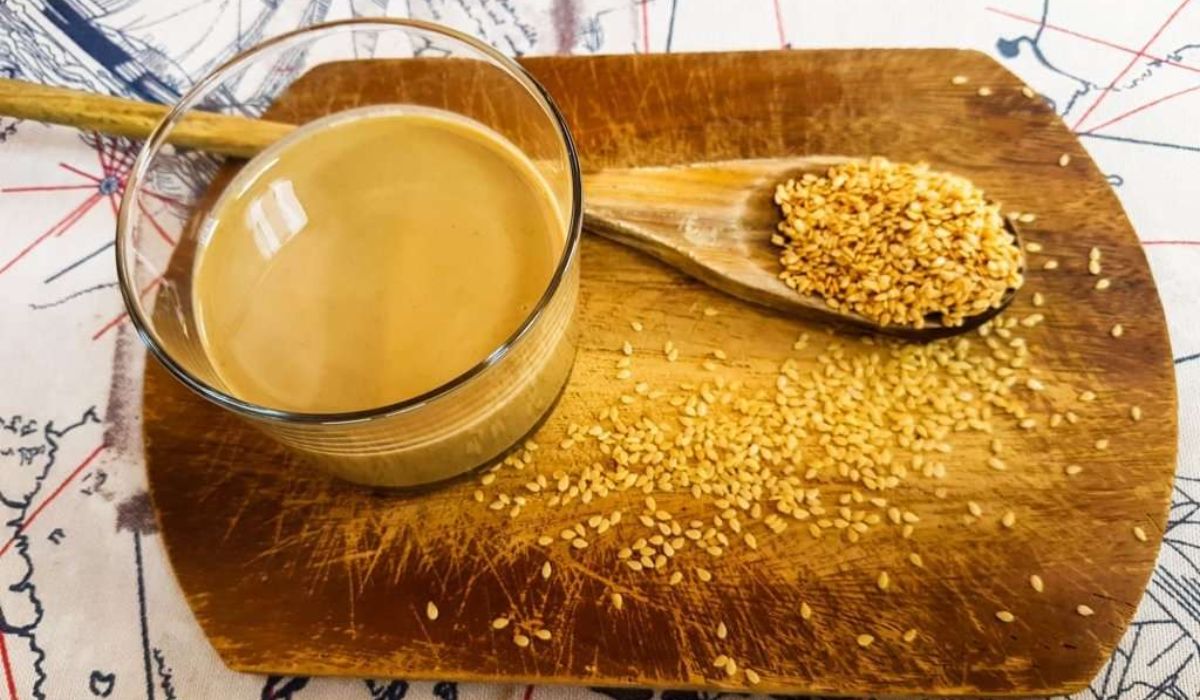

Tahini is one of those ingredients that many people have heard of but may not fully understand. You have probably tasted it in hummus, salad dressings, or Mediterranean dishes without even realizing it. This rich, creamy paste has been a staple in Middle Eastern and Mediterranean cuisine for centuries, yet it has recently gained worldwide popularity due to its versatility and nutritional benefits.
But what exactly is tahini? How is it made? Why do so many recipes call for it? And is it really as healthy as people claim?
In this complete guide, you’ll discover everything you need to know about this sesame-based ingredient, from its origins and uses to its health benefits and storage tips.
What Is Tahini?
Tahini is a smooth paste made from ground sesame seeds. It has a creamy texture similar to nut butter but offers a unique flavor that is slightly nutty, earthy, and mildly bitter.
The process is surprisingly simple. Sesame seeds are typically hulled, lightly roasted, and then ground into a thick paste. The result is a versatile ingredient that can be used in both savory and sweet recipes.
Think of tahini as the sesame seed equivalent of peanut butter. While peanut butter is made from peanuts, tahini is made entirely from sesame seeds, creating a rich and distinctive taste that enhances many dishes.
The History and Origins of Tahini
Ancient Roots
Tahini has a long and fascinating history dating back thousands of years. Sesame seeds are among the oldest cultivated crops known to humanity. Historical records suggest that sesame cultivation began in regions of the Middle East, South Asia, and parts of Africa.
Ancient civilizations valued sesame seeds for their oil content and nutritional properties. Over time, grinding these seeds into a paste became a practical way to preserve and use them.
Cultural Significance
Today, tahini remains an essential ingredient in Middle Eastern, Mediterranean, North African, and some Asian cuisines. Countries such as Lebanon, Israel, Turkey, Greece, and Egypt have incorporated tahini into traditional recipes for generations.
Its popularity has expanded globally as people seek healthier and more diverse cooking ingredients.
How Is Tahini Made?
The production of tahini involves a few straightforward steps:
Selecting the Sesame Seeds
High-quality sesame seeds form the foundation of good tahini. The seeds may be white, brown, or black, depending on the variety.
Hulling
Many manufacturers remove the outer shell of the sesame seed. Hulled sesame seeds create a smoother texture and milder flavor.
Roasting
The seeds are often lightly roasted to enhance their natural nuttiness. Some brands use raw seeds instead, resulting in a lighter and more delicate taste.
Grinding
After roasting, the seeds are ground into a thick, creamy paste. This process releases the natural oils within the seeds, creating the smooth consistency associated with tahini.
The final product contains no complicated ingredients—just sesame seeds and occasionally a small amount of oil.
What Does Tahini Taste Like?
Many first-time users are surprised by tahini’s flavor.
Unlike sweet nut butters, tahini has a more savory profile. Its taste can be described as:
- Nutty
- Earthy
- Rich
- Slightly bitter
- Toasty
The bitterness level varies depending on the brand and preparation method. Roasted versions often have a deeper flavor, while raw varieties tend to taste lighter and milder.
When combined with lemon juice, garlic, herbs, or honey, tahini transforms into a balanced and delicious ingredient.
Types of Tahini
Not all tahini is the same. Different varieties offer unique textures and flavors.
Hulled Tahini
This is the most common type available in grocery stores. The outer hull is removed before processing, resulting in a smooth texture and mild taste.
Unhulled Tahini
Made from whole sesame seeds, this variety contains more fiber and nutrients. It often has a stronger flavor and slightly grainier texture.
Raw Tahini
Produced using unroasted sesame seeds, raw tahini has a lighter color and a delicate flavor profile.
Roasted Tahini
Roasted sesame seeds create a richer, nuttier taste. This version is frequently used in traditional recipes.
Choosing between these varieties depends largely on personal preference and intended use.
Nutritional Value of Tahini
Tahini is more than just a flavorful ingredient. It also provides a range of important nutrients.
Healthy Fats
Tahini contains unsaturated fats, which are often considered beneficial when consumed as part of a balanced diet.
Protein
Sesame seeds provide plant-based protein, making tahini a useful addition to vegetarian and vegan diets.
Vitamins and Minerals
Tahini is a source of:
- Calcium
- Magnesium
- Iron
- Zinc
- Phosphorus
- Vitamin B complex
These nutrients contribute to various bodily functions, including bone health, energy production, and immune support.
Antioxidants
Sesame seeds contain compounds that help protect cells from oxidative stress, supporting overall wellness.
Health Benefits of Tahini
Supports Heart Health
The healthy fats found in sesame seeds may contribute to cardiovascular wellness when consumed in moderation.
Promotes Bone Strength
Because tahini contains minerals such as calcium, phosphorus, and magnesium, it can play a role in maintaining strong bones.
Provides Lasting Energy
The combination of healthy fats, protein, and nutrients helps provide sustained energy throughout the day.
Supports Plant-Based Diets
For individuals reducing animal products, tahini offers valuable nutrients that can help diversify nutritional intake.
May Help with Satiety
Its rich texture and nutrient density can help people feel satisfied after meals, potentially reducing unnecessary snacking.
Popular Culinary Uses for Tahini
One reason tahini has become so popular is its incredible versatility.
Hummus
Perhaps the most famous use of tahini is in hummus. Combined with chickpeas, lemon juice, garlic, and olive oil, it creates the creamy texture people love.
Salad Dressings
Tahini-based dressings add richness and depth to salads. Mixing tahini with lemon juice and water creates a simple yet flavorful dressing.
Sauces and Dips
Tahini serves as the base for many sauces used with vegetables, meats, and grain bowls.
Baking
Some bakers use tahini in cookies, cakes, brownies, and breads to add moisture and nutty flavor.
Smoothies
A spoonful of tahini can increase creaminess and nutritional value in smoothies.
Desserts
Tahini pairs surprisingly well with sweet ingredients such as chocolate, dates, maple syrup, and honey.
How to Use Tahini at Home
If you’re new to tahini, incorporating it into everyday meals is easier than you might think.
Breakfast Ideas
- Spread on toast
- Mixed into oatmeal
- Blended into smoothies
- Drizzled over fruit
Lunch Options
- Added to wraps
- Mixed into grain bowls
- Used as a sandwich spread
Dinner Recipes
- Sauce for roasted vegetables
- Marinade ingredient
- Base for creamy dressings
Sweet Treats
- Tahini cookies
- Energy balls
- Homemade fudge
- Chocolate desserts
A little tahini can go a long way in transforming ordinary meals into something more flavorful.
Tahini vs Peanut Butter: What’s the Difference?
Many people compare tahini to peanut butter because of their similar appearance.
| Feature | Tahini | Peanut Butter |
|---|---|---|
| Main Ingredient | Sesame Seeds | Peanuts |
| Flavor | Nutty and Earthy | Sweet and Nutty |
| Texture | Smooth and Pourable | Thick and Creamy |
| Typical Uses | Savory and Sweet | Mostly Sweet |
| Allergen Source | Sesame | Peanuts |
While both spreads have nutritional value, they offer distinctly different flavors and culinary applications.
How to Store Tahini Properly
Proper storage helps preserve freshness and flavor.
Before Opening
Unopened tahini can often be stored in a cool, dry pantry.
After Opening
Once opened, many people prefer refrigeration to extend shelf life. However, some brands recommend pantry storage.
Always check the manufacturer’s instructions.
Stir Before Use
Natural oil separation is completely normal. Simply stir the contents thoroughly before using.
Signs of Spoilage
Discard tahini if you notice:
- Unpleasant odor
- Mold growth
- Significant flavor changes
- Unusual discoloration
When stored correctly, tahini can remain fresh for several months.
Common Mistakes People Make with Tahini
Not Stirring It
Oil separation often causes confusion. Many people mistakenly think the product has gone bad.
Using Too Much at Once
Tahini has a concentrated flavor. Starting with small amounts allows better flavor control.
Expecting Peanut Butter Flavor
Although both are seed or nut spreads, tahini has a completely different taste profile.
Ignoring Quality
Higher-quality tahini typically offers smoother texture and better flavor. Reading ingredient labels can help identify pure products made primarily from sesame seeds.
Why Tahini Has Become So Popular
Tahini’s growing popularity reflects modern food trends. Consumers increasingly seek ingredients that are nutritious, versatile, and suitable for various dietary preferences.
Its appeal spans multiple lifestyles:
- Vegan
- Vegetarian
- Mediterranean diet
- Plant-based eating
- Gluten-conscious cooking
At the same time, chefs and home cooks appreciate its ability to add richness without relying on dairy products.
As global cuisine becomes more accessible, tahini continues to earn a place in kitchens around the world.
Conclusion
Tahini is far more than just an ingredient found in hummus. Made from ground sesame seeds, this creamy paste offers a distinctive flavor, impressive nutritional profile, and remarkable versatility. Whether used in savory sauces, salad dressings, baked goods, or desserts, tahini brings depth and richness to countless recipes.
Its centuries-old history, combined with modern culinary appeal, makes it a valuable pantry staple for anyone interested in exploring new flavors. Once you understand how to use it, tahini can become one of the most versatile ingredients in your kitchen, adding both nutrition and taste to everyday meals.
FAQs
1. What is tahini made from?
Tahini is made primarily from ground sesame seeds. Depending on the brand, the seeds may be hulled, roasted, or raw before being processed into a smooth paste.
2. Is tahini healthier than peanut butter?
Both spreads offer nutritional benefits. Tahini contains healthy fats, minerals, and plant-based protein, while peanut butter provides protein and nutrients as well. The healthier choice depends on individual dietary needs.
3. Can tahini be eaten by itself?
Yes. Tahini can be enjoyed on its own, although many people prefer mixing it into sauces, dressings, dips, or desserts to balance its naturally earthy flavor.
4. Does tahini need refrigeration?
Many brands recommend refrigerating tahini after opening to extend freshness. Always follow the storage instructions provided on the product label.
5. What foods pair well with tahini?
Tahini pairs well with vegetables, chickpeas, bread, salads, grain bowls, chocolate, dates, honey, fruits, and many Mediterranean-inspired dishes.