
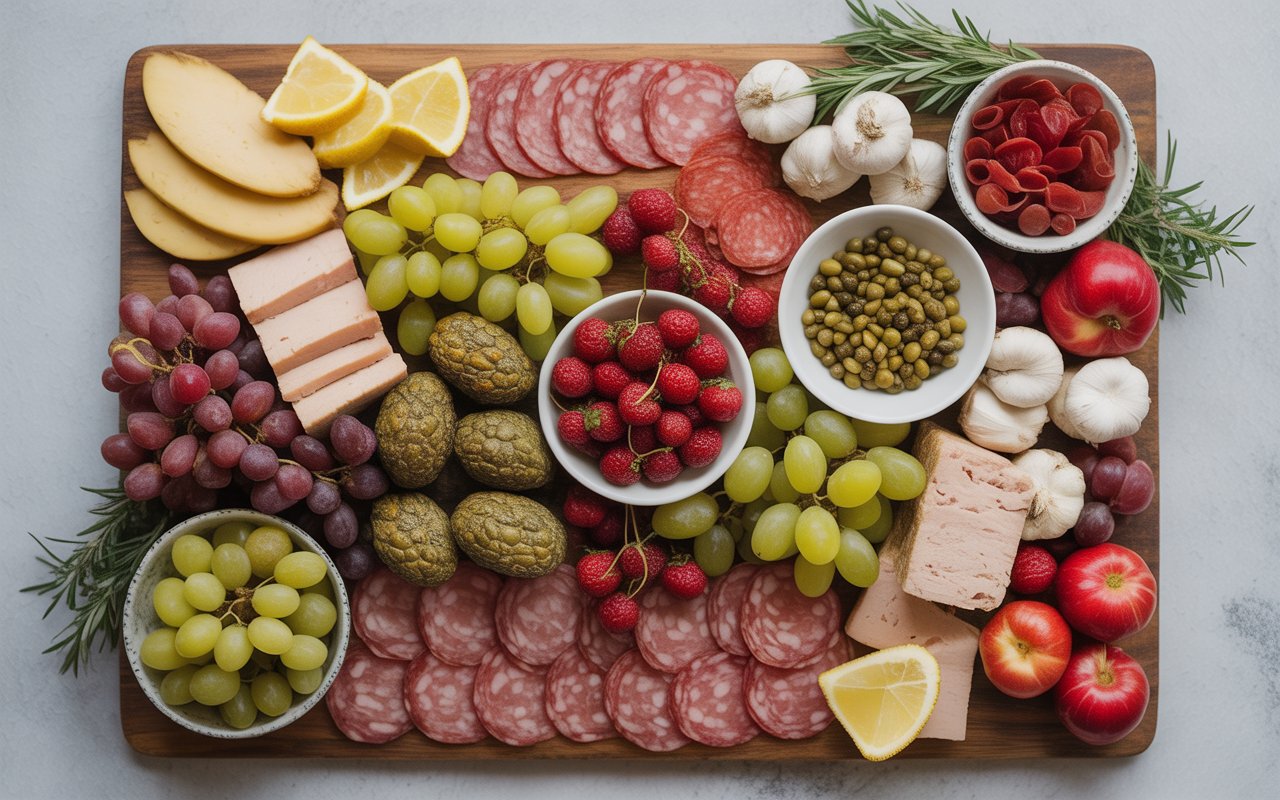

A charcuterie board can turn any ordinary gathering into something special. It’s more than a platter of snacks—it’s a visual experience, a mix of flavors, and a conversation starter all in one. Whether you’re planning a casual weekend hangout, a family celebration, or a holiday feast, a well-designed board instantly lifts the mood.
In this guide, you’ll discover creative charcuterie board ideas that anyone can try—no fancy training or chef-level skills required. Think of it as building a tiny, edible landscape where every piece plays a part. Ready to craft your masterpiece?
H2: Understanding the Charcuterie Concept
Before diving into ideas, let’s clarify what a charcuterie board really is. Traditionally, “charcuterie” refers to cured meats. But modern boards have evolved. Today, they can include cheeses, fruits, dips, bread, nuts, sweets, and even themed add-ons.
Creating a board isn’t about expensive ingredients—it’s about balance, variety, colors, and textures. If you can mix those well, you’re already halfway to achieving a display that feels both delicious and delightful.
H2: Building the Perfect Base
H3: Choosing the Right Board
The board itself sets the tone.
-
Wooden boards add warmth and a rustic touch.
-
Slate boards look modern and sleek.
-
Marble trays offer elegance and keep foods cool.
Choose a size based on your crowd. A large wooden board resembles a blank canvas waiting for your creativity—pretty much like painting, but with cheese and berries instead of colors.
H3: Using Bowls and Small Dishes
Small bowls help organize items like olives, nuts, spreads, honey, and soft dips. They prevent liquid ingredients from running into other foods. Plus, they add structure and symmetry to your display.
H2: Meat Selections That Stand Out
H3: Classic Choices
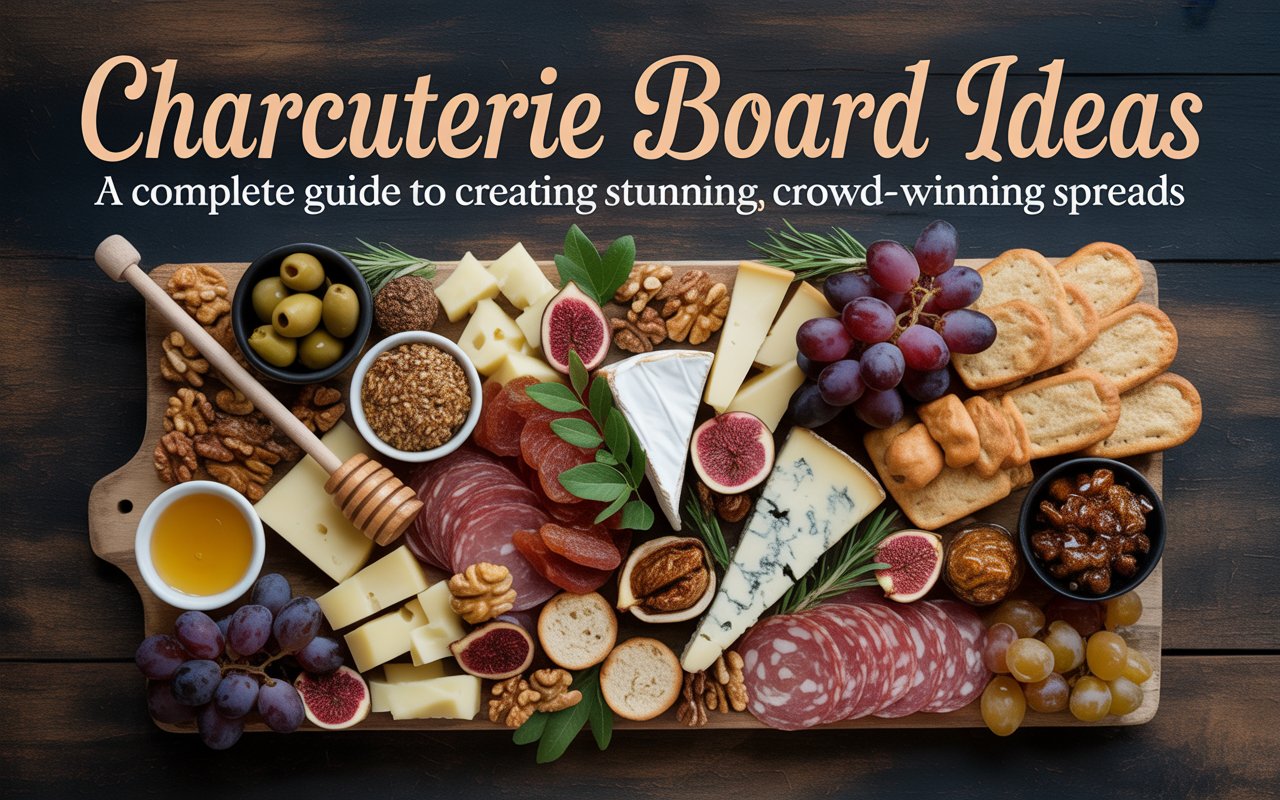
Nothing completes a board like cured meats. Popular picks include:
-
Salami
-
Prosciutto
-
Soppressata
-
Chorizo
These meats bring savory flavors and pair beautifully with cheese and fruit.
H3: Creative Meat Arrangements
Presentation matters! Try different styles:
-
Fold salami into rosettes
-
Roll thin slices of prosciutto
-
Layer chorizo slices like scales
-
Arrange meats in waves for volume
A simple folding technique can make the entire board feel elevated, even if you’re using affordable ingredients.
H2: Cheese Choices for Every Palate
H3: A Mix of Textures
For a balanced board, include these cheese categories:
-
Soft (Brie, Camembert)
-
Semi-soft (Gouda, Havarti)
-
Firm (Cheddar, Manchego)
-
Blue (Gorgonzola, Roquefort)
Think of cheese like characters in a movie—each one adds something different to the story.
H3: Cutting and Arranging Cheese
Slice some cheese, cube some, and leave others whole with a knife for guests. This mix creates visual interest and makes serving easy.
H2: Fruits for Color and Freshness
H3: Fresh Fruit Options
Bright, juicy fruits add color and a refreshing balance to rich meats and cheeses. Great picks include:
-
Grapes
-
Strawberries
-
Blueberries
-
Apple slices
-
Kiwi
-
Pomegranate seeds
H3: Dried Fruit for Variety
Dried fruit adds chewiness and sweetness:
-
Apricots
-
Cranberries
-
Figs
-
Raisins
These are especially great if you want a board that feels slightly cozy or autumn-inspired.
H2: Crackers, Bread, and Crunchy Elements

H3: Offering Multiple Carriers
Include a mix of textures and flavors:
-
Crunchy crackers
-
Seeded crisps
-
Sliced baguette
-
Breadsticks
Layer them around the edges or place them in small clusters to avoid crowding.
H3: Adding Nuts for Crunch
Almonds, pistachios, cashews, or walnuts add the perfect crunchy contrast. Scatter them in gaps to fill space naturally.
H2: Dips, Spreads, and Drizzles
H3: Sweet Additions
-
Honey
-
Fruit preserves
-
Chocolate spread
-
Caramel drizzle
Honey pairs especially well with salty meats and strong cheeses.
H3: Savory Additions
-
Hummus
-
Pesto
-
Olive tapenade
-
Mustard
-
Cream cheese blends
Spreads help tie different elements together and add layers of flavor.
H2: Theme-Based Charcuterie Board Ideas
H3: Breakfast Board
Imagine a morning where everything you love is neatly arranged on one board:
-
Mini pancakes
-
Waffles
-
Fresh fruit
-
Nut butter
-
Boiled eggs
-
Yogurt cups
-
Pastries
It’s a sweet and fun way to start the day.
H3: Mediterranean Board
Perfect for lovers of bold, vibrant flavors:
-
Olives
-
Feta
-
Hummus
-
Pita bread
-
Cured meats
-
Sun-dried tomatoes
-
Cucumbers and peppers
Light, flavorful, and beautifully colorful.
H3: Dessert Board
For those with a sweet tooth:
-
Brownie bites
-
Strawberries dipped in chocolate
-
Marshmallows
-
Cookies
-
Chocolate pieces
-
Caramel dip
A dessert board feels like a playful treat—almost like a mini buffet of delights.
H3: Holiday-Themed Board
Use seasonal ingredients:
-
Cranberries
-
Rosemary sprigs
-
Cheese cut into star shapes
-
Red and green fruits
It instantly adds festive charm.
H2: Budget-Friendly Charcuterie Board Ideas

H3: Smart Substitutions
You don’t need premium ingredients. Affordable options include:
-
Local deli meats
-
Store-brand cheeses
-
Seasonal fruit
-
Low-cost crackers
Even simple items can look impressive when arranged thoughtfully.
H3: Using What You Already Have
Sometimes the best boards come from your pantry:
-
Leftover bread
-
Nuts
-
Chips
-
Pickles
-
Hard-boiled eggs
A charcuterie board doesn’t have to be expensive. It’s the creativity that counts.
H2: Tips for Arranging a Stunning Charcuterie Board
H3: Start With Large Items
Place cheese wedges and bowls first. They create a solid structure.
H3: Add Meats Next
Fold them in creative shapes and place them around the cheese.
H3: Fill the Gaps
Use fruits, nuts, and small crackers to fill empty areas naturally.
H3: Use Color Intentionally
Spread colors evenly so the board feels balanced. Bright berries or herbs can break up heavy tones.
H2: Serving and Storing Tips
H3: Serving at the Right Temperature
Cheese tastes best at room temperature. Let your board sit out 20–30 minutes before serving.
H3: Food Safety
Avoid leaving perishable items out for more than two hours, especially dairy and meat.
H3: Leftover Storage
Use airtight containers for leftover cheese, fruit, and meats. Most items keep well for 2–3 days.
H2: Charcuterie Board Ideas for Different Occasions
H3: Date Night Board
Make it intimate and flavorful:
-
Soft cheeses
-
Dark chocolate
-
Nuts
-
Berries
-
Honey
-
A small selection of meats
H3: Kids’ Snack Board
A playful board packed with kid-friendly foods:
-
Cheese cubes
-
Apple slices
-
Crackers
-
Mini sandwiches
-
Yogurt dips
-
Fun-shaped fruits
H3: Movie Night Board
Think finger foods:
-
Popcorn
-
Chips
-
Cheese slices
-
Grapes
-
Dips
-
Chocolate pieces
A little bit of everything makes movie time even better.
Conclusion
Creating a charcuterie board is an enjoyable, artistic, and surprisingly simple way to elevate any gathering. It’s not about following strict rules—it’s about experimenting with flavors, colors, and textures that complement each other. Once you understand the basics, you can customize your board for any theme, event, or mood. Whether you go luxurious or budget-friendly, your board will bring people together, spark conversations, and leave a memorable impression.
FAQs
1. What should be included on a basic charcuterie board?
A simple board includes two to three cheeses, two meats, fresh fruit, crackers, nuts, and one or two dips.
2. How far in advance can I prepare a charcuterie board?
You can assemble most of it 1–2 hours in advance, but keep perishable items refrigerated until serving.
3. How do I keep fruit from browning on the board?
Brush slices of apples or pears with a little lemon water to prevent browning.
4. How much food should I prepare per person?
Plan for about 3–4 ounces of meat and 3–4 ounces of cheese per guest.
5. Can I make a charcuterie board without meat?
Absolutely! You can create a vegetarian board using cheese, vegetables, fruits, nuts, dips, and bread.