
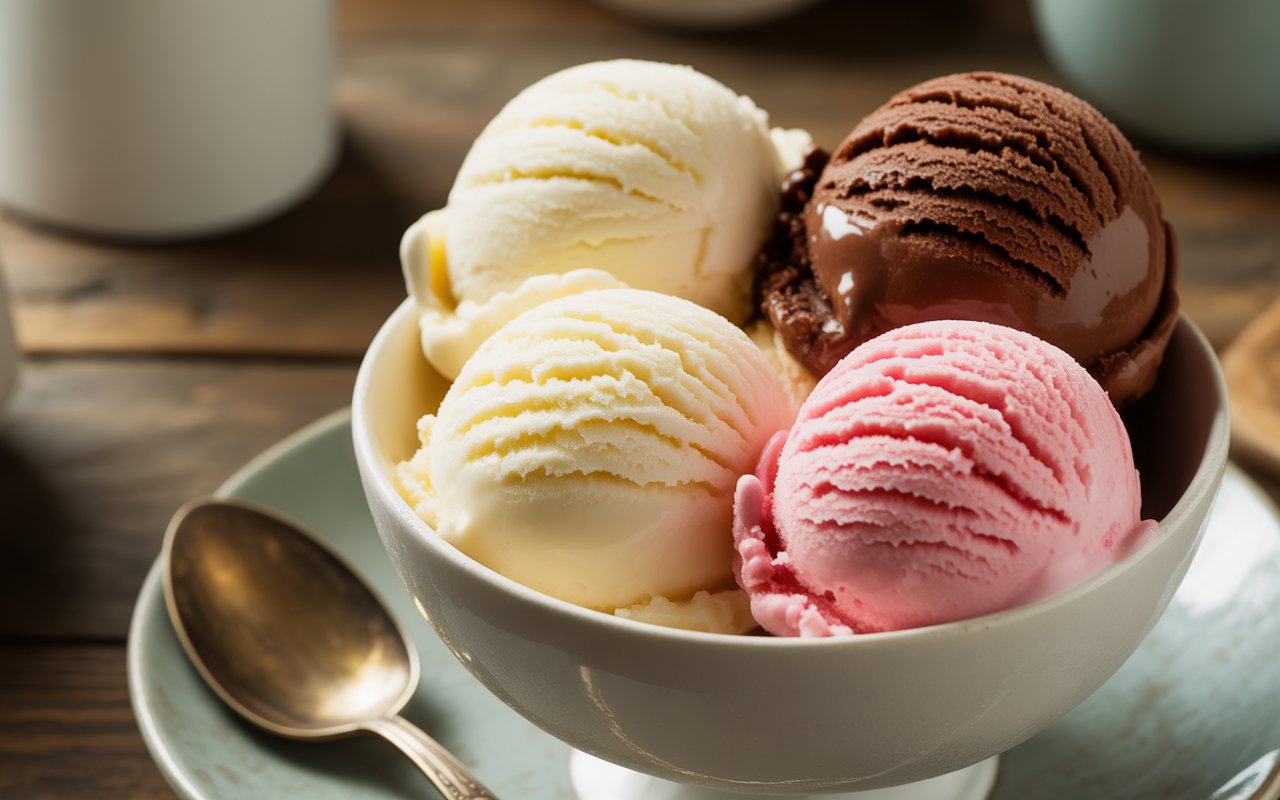

When it comes to ice cream, there are countless flavors to choose from. But there’s something special about Neapolitan ice cream. With its tri-colored layers of chocolate, vanilla, and strawberry, it’s like having three desserts in one. But beyond its eye-catching appearance, Neapolitan has a rich history, a delightful taste, and a charm that makes it a favorite in households and ice cream parlors worldwide. Let’s dive deep into the world of this frozen classic and uncover everything you need to know.
What Is Neapolitan Ice Cream?
At its core, Neapolitan ice cream is a combination of three flavors: chocolate, vanilla, and strawberry, arranged side by side in a single container. Unlike other ice creams that mix flavors together, Neapolitan keeps each flavor distinct, offering a mini-tasting experience in every scoop. Think of it as a flavor trio that never competes with itself—each taste shines while complementing the others.
It’s named after Naples, Italy, reflecting its European roots. The concept was brought to the United States in the 19th century by Italian immigrants who wanted to recreate the desserts of their homeland. Today, it’s a symbol of classic indulgence, often evoking nostalgia for childhood treats.
The History Behind Neapolitan Ice Cream
Have you ever wondered why this ice cream has three flavors specifically? It all goes back to Naples, Italy, where early ice cream makers experimented with combining fruit and chocolate flavors in a single dessert. By the late 1800s, Italian immigrants introduced these tri-flavored frozen desserts to America.
Originally, Neapolitan ice cream was more than just chocolate, vanilla, and strawberry. Some early versions included pistachio or coffee, depending on the availability of ingredients. The iconic trio we know today became standard in the 20th century, making it easier for ice cream manufacturers to mass-produce and sell.
Why Three Flavors? The Psychology of Choice

Chocolate, vanilla, and strawberry aren’t just random picks—they cater to our taste preferences. Chocolate satisfies the craving for richness, vanilla offers simplicity and creaminess, and strawberry adds a fruity, refreshing note.
It’s like a musical trio where each instrument plays a different role but harmonizes beautifully. Having three flavors also appeals to families and groups, as everyone can find at least one favorite in a single container.
The Ingredients That Make It Special
The beauty of Neapolitan ice cream lies in its simplicity. Each layer requires basic ingredients:
-
Chocolate Layer: Cocoa powder or melted chocolate, sugar, cream, and milk.
-
Vanilla Layer: Cream, milk, sugar, and vanilla extract or beans.
-
Strawberry Layer: Fresh strawberries or puree, sugar, cream, and sometimes a hint of lemon for balance.
Despite these simple ingredients, the magic is in the combination. The layers are carefully poured to avoid blending, preserving the visual and flavor contrast.
How Neapolitan Ice Cream Is Made
Ever wondered how manufacturers achieve those perfect layers? The process involves:
-
Preparing Each Flavor Separately: Each mixture is churned to incorporate air and achieve the creamy texture.
-
Layering Carefully: The first flavor is poured into the container and slightly frozen to set. The next flavor is added carefully on top, followed by the third.
-
Freezing to Perfection: The layered ice cream is frozen at a controlled temperature to maintain its shape and texture.
For home cooks, making Neapolitan ice cream requires patience and a little precision, but the result is incredibly rewarding.
Neapolitan Ice Cream in Popular Culture

This ice cream isn’t just a treat—it’s a cultural icon. From classic diners to animated movies, Neapolitan has often symbolized childhood, simplicity, and fun. Remember the scenes in films where kids dig into ice cream tubs with joy? More often than not, it’s Neapolitan.
Its visual appeal makes it popular for themed parties, social media posts, and even in desserts like milkshakes, ice cream cakes, and sundaes. It’s more than a dessert—it’s a conversation starter.
Health and Nutrition: Is It Just Sugar and Cream?
While ice cream is a treat, you might wonder about its nutritional value. Neapolitan ice cream is relatively high in sugar and fat, especially in commercial versions. However, there are ways to enjoy it responsibly:
-
Portion Control: Stick to a small scoop rather than a bowl-sized serving.
-
Homemade Versions: You can control sugar content and use natural ingredients like fresh strawberries or cocoa powder.
-
Alternatives: Some brands offer low-fat or dairy-free Neapolitan options using almond, oat, or coconut milk.
Moderation is key, but enjoying a scoop now and then is perfectly fine—and delicious.
Neapolitan Variations Around the World
Did you know that Neapolitan isn’t limited to chocolate, vanilla, and strawberry? Different countries have added their twists:
-
Europe: Some Italian and French versions include pistachio, hazelnut, or coffee.
-
Asia: In Japan, Neapolitan flavors may include green tea or yuzu for a local twist.
-
Latin America: Fruit flavors like mango or passion fruit sometimes replace strawberry.
These variations show how adaptable and globally loved this ice cream is.
Tips for Serving Neapolitan Ice Cream

Serving Neapolitan ice cream can be fun and creative. Here are some ideas:
-
Classic Scoop: Serve it straight from the container for a simple treat.
-
Sundae Style: Add whipped cream, sprinkles, or chocolate syrup for a decadent twist.
-
Ice Cream Sandwich: Pair with cookies or waffles for a handheld dessert.
-
Layered Dessert: Use it in parfaits or trifle for an elegant presentation.
The visual appeal makes it perfect for parties, kids’ events, or just a cozy night at home.
Making Neapolitan Ice Cream at Home
If you want to try making it yourself, here’s a simplified approach:
-
Prepare Each Flavor Base: Chocolate, vanilla, and strawberry mixtures separately.
-
Chill and Layer: Pour one flavor at a time into a loaf pan, freezing each layer for 30–60 minutes before adding the next.
-
Freeze Fully: Let the entire dessert freeze overnight to set completely.
-
Serve and Enjoy: Slice and serve, revealing the beautiful tri-colored layers.
Homemade Neapolitan not only tastes amazing but also gives a sense of accomplishment—plus, you can experiment with flavors and sweetness.
Why Neapolitan Ice Cream Remains Popular
So, why does this classic ice cream endure through generations? It’s simple:
-
Variety in One: Three flavors satisfy multiple cravings.
-
Nostalgia Factor: Many people grew up enjoying it.
-
Visual Appeal: The tri-color layers are Instagram-worthy.
-
Flexibility: Can be eaten alone, in desserts, or paired with other treats.
Neapolitan ice cream is more than the sum of its flavors—it’s an experience.
Conclusion
Neapolitan ice cream is a timeless dessert that appeals to both kids and adults. With its perfect trio of chocolate, vanilla, and strawberry, it offers a little bit of everything in each bite. Whether enjoyed from a tub, in a sundae, or as part of a creative dessert, Neapolitan continues to bring joy to tables around the world. Its combination of flavor, history, and nostalgia makes it a dessert worth savoring, reminding us that sometimes, the simplest things are the most delightful.
FAQs About Neapolitan Ice Cream
1. Why is it called Neapolitan ice cream?
It’s named after Naples, Italy, where early versions of tri-flavored ice cream were created before being popularized in the United States.
2. Can Neapolitan ice cream be made at home?
Yes! By preparing chocolate, vanilla, and strawberry layers separately and freezing them carefully, you can create a homemade version.
3. Are there any healthier alternatives to Neapolitan ice cream?
Yes, you can use low-fat or dairy-free options like almond, oat, or coconut milk, and reduce sugar in homemade versions.
4. Can the flavors be changed from the classic trio?
Absolutely. Many variations around the world include pistachio, coffee, green tea, or tropical fruits.
5. How should Neapolitan ice cream be stored?
Keep it in a tightly sealed container in the freezer to prevent ice crystals and preserve its flavor and texture.