
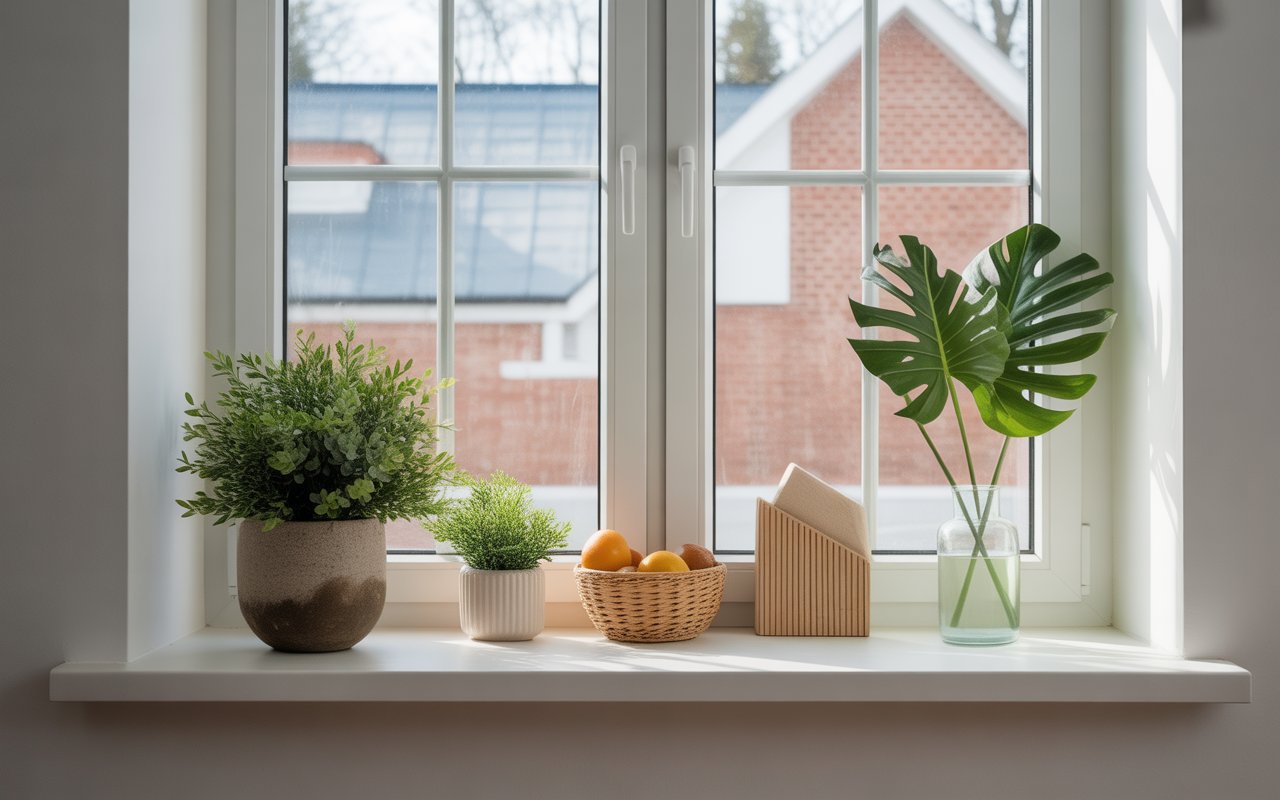

When you glance at a window, you probably admire the view or the sunlight pouring in—but how often do you think about the little shelf-like feature at the bottom? The humble window sill may seem like a small architectural detail, but it plays a far bigger role than most people realize. Think of it as the quiet foundation of the window—much like the roots of a plant that support everything above. Without it, your window would struggle to function, stay protected, or even look complete.
In this comprehensive guide, we’ll explore everything you should know about window sills—from their purpose and practical benefits to styling options, materials, installation, maintenance, décor possibilities, and more. Whether you’re renovating your home, replacing old windows, or simply curious about this often-overlooked feature, this guide has you covered.
What Is a Window Sill?
A window sill is the flat horizontal surface found at the base of a window frame. It can be located inside the house, outside, or both. While many people use the inside sill as a spot for décor or plants, each sill (interior and exterior) has a unique purpose.
Why Is It Called a “Sill”?
Historically, the word “sill” comes from Old English and Germanic roots meaning “foundation” or “threshold.” This makes sense because the sill acts as both a physical and structural base for the window.
The Important Functions of a Window Sill
Even though it appears simple, a window sill performs several essential tasks that protect your home and improve comfort.
1. Protection Against Water
Have you ever wondered why rainwater doesn’t easily seep through the bottom of your window? That’s the exterior sill at work. Its slight angle and projection help push water away from the house, preventing moisture damage, mold, and rot.
2. Structural Support
Without a sill, the window frame would lack stability. It acts as a sturdy base that carries part of the frame’s weight and supports insulation.
3. Insulation and Energy Efficiency
Sills help reduce drafts and heat loss. When properly sealed, they improve thermal performance and keep your indoor environment more comfortable.
4. Aesthetic Enhancement
Interior sills add charm and style. They offer a natural spot for decorative items, picture frames, candles, or even your favorite indoor plants.
5. Functional Space
Many people use the interior sill as extra surface space—almost like a mini shelf. In small apartments, this can be surprisingly helpful.
Interior vs. Exterior Window Sills
Both types look similar but serve different functions.
Interior Sills
These are more visible and often tailored for comfort and beauty. You’ll find them inside the home, where they double as decorative ledges.
Primary roles:
-
Design enhancement
-
Additional surface space
-
Insulation support
Exterior Sills
Exterior sills are more rugged. Their main purpose is to divert water away.
Primary roles:
-
Moisture protection
-
Weather resistance
-
Frame safeguarding
Both play essential roles, working together to support the window system.
Common Materials Used for Window Sills
Window sills come in various materials, each offering different advantages. Let’s walk through the most popular options and what makes them unique.
1. Wood
Wooden sills add warmth and natural beauty. They’re great for interiors where style matters.
Pros:
-
Classic look
-
Easy to paint or stain
-
Works with most design styles
Cons:
-
Sensitive to moisture
-
Requires regular care
2. Stone
Stone sills—marble, granite, or slate—are elegant and durable.
Pros:
-
Luxurious appearance
-
Heat and water resistant
-
Perfect for upscale interiors
Cons:
-
Costly
-
Heavy and harder to install
3. PVC or Vinyl
PVC is one of the most practical materials.
Pros:
-
Budget-friendly
-
Moisture-proof
-
Easy to clean
Cons:
-
Less high-end appearance
4. Metal (Aluminum or Steel)
Often used outdoors.
Pros:
-
Strong and long-lasting
-
Good weather resistance
-
Modern, sleek look
Cons:
-
Can dent or scratch
5. Tile
Tile sills are charming and customizable.
Pros:
-
Many design patterns
-
Water-resistant
-
Affordable
Cons:
-
Requires grout maintenance
6. Composite Materials
Made from blends of resin or engineered stone.
Pros:
-
Durable
-
Low maintenance
-
Attractive appearance
Cons:
-
Higher price range
Different Styles of Window Sills
Just like any architectural feature, sills come in various designs that can complement the overall look of the home.
1. Flat Sills
Simple and minimalistic. Great for modern homes.
2. Sloped Sills
Designed to enhance water drainage, typically used outdoors.
3. Decorative Sills
Styled with carved edges or patterns for added charm.
4. Extended Sills
These project outward more than typical sills, providing extra space for décor or plants.
5. Deep Sills / Bay Window Sills
Common in bay or bow windows, offering a cozy nook feel.
How to Choose the Right Window Sill for Your Space
When selecting a sill, consider the following:
1. Purpose
Is it mainly for décor? Water protection? Durability? Answering this helps narrow materials.
2. Style of the Room
A rustic room might suit wood, while stone fits a luxury interior.
3. Climate
If you live in a humid or rainy area, moisture-resistant materials are best.
4. Budget
Costs vary greatly, so balance quality and affordability.
5. Maintenance Requirements
Stone and wood need more care than PVC or metal.
Creative Ways to Use Interior Window Sills
Window sills can be more than structural elements—they can become charming design features.
1. Mini Plant Garden
A window sill is a perfect spot for herbs or small potted plants. They get sunlight, and the sill offers a natural platform.
2. Reading or Relaxation Display
If the sill is deep enough, add cushions or candles to create a cozy nook-like feel.
3. Seasonal Decorations
Rotate décor based on holidays or seasons, like pumpkins in fall or ornaments in winter.
4. Storage for Everyday Items
Use trays to organize essentials such as keys or small accessories.
5. Pet Perch
Cats especially adore window sills—they make ideal sunbathing and bird-watching spots.
Installation Overview: How Window Sills Are Fitted
Installing a window sill isn’t overly complicated, but it does require proper measurement and sealing.
Basic Steps:
-
Measure the opening: Length, depth, and thickness must match the frame.
-
Cut the material to size: Precision matters.
-
Test the fit: Ensure it sits securely.
-
Apply adhesive or fasteners: Depending on material.
-
Seal the edges: Prevent moisture entry.
-
Finish with paint or trim if necessary.
For complex materials like stone, professional installation is recommended.
Window Sill Maintenance and Care Tips
Keeping your window sill in good condition ensures it lasts longer and looks great.
1. Clean Regularly
Dust and moisture build-up can damage certain materials. Use a soft cloth for daily cleaning.
2. Check for Cracks or Wear
Particularly for wood or stone. Early repairs prevent costly replacements.
3. Repaint or Seal When Needed
Wooden sills need occasional sanding, painting, or sealing.
4. Protect from Water
Avoid letting water sit on interior sills, especially wooden ones.
5. Declutter Periodically
Overloading the sill can cause scratches or surface dents.
Common Problems and How to Fix Them
Even with proper care, window sills may face issues over time.
1. Water Damage
Often seen as discoloration or swelling on wooden sills.
Solution: Sand the area, apply filler, prime, and repaint.
2. Mold Growth
Caused by excess moisture.
Solution: Clean with mild bleach solution and increase ventilation.
3. Cracked Stone or Tile
Small cracks can be filled with specialized adhesives; larger ones might require replacement.
4. Drafts
If you feel cold air near the sill, the caulking may need refreshing.
Modern Design Trends for Window Sills
Home design evolves, and so do window sill aesthetics. Here’s what’s trending:
1. Minimalist Sills
Smooth, slim profiles that blend with modern interiors.
2. Natural Stone Accents
Marble and quartz for a luxurious touch.
3. Wider Sills for Functional Use
Deep ledges for plants or décor are growing in popularity.
4. Contrasting Colors
Dark sills paired with light walls add bold visual interest.
5. Eco-Friendly Materials
Recycled composites and sustainable woods are on the rise.
The Role of Window Sills in Home Value
It might surprise you, but upgrading your window sills can subtly influence your home’s overall appeal.
Enhances Interior Design
Stylish sills improve the overall look of your rooms.
Boosts Energy Efficiency
Well-installed sills minimize heat loss.
Reduces Future Repair Costs
Protection from water damage means fewer long-term problems for potential buyers.
Even small improvements can make a noticeable difference.
Conclusion
A window sill may be a small feature, but it plays a mighty role in both the function and beauty of your home. From protecting against rain to enhancing the interior style, this simple structure works quietly in the background—much like a stage that supports the stars of a show. Whether you’re upgrading, decorating, or simply learning about home elements, understanding window sills helps you appreciate their value and make better design choices.
FAQs
1. What material is best for a window sill?
It depends on the location and purpose. PVC is great for moisture resistance, wood offers a warm aesthetic, and stone provides durability and luxury.
2. Can I replace a window sill without changing the entire window?
Yes. Interior and exterior sills can be replaced independently if the frame is still in good shape.
3. How can I stop water from leaking under my window sill?
Ensure proper sealing and caulking. If the exterior sill is too flat, adding a slight slope helps water drain away.
4. Is it normal for a wooden sill to crack over time?
Minor cracks can occur due to temperature changes or moisture. Regular sealing helps prevent this.
5. Can window sills be used for plants?
Absolutely! They’re ideal for small potted plants—just protect the surface from water spills.




