

Have you ever come across a strange word online and wondered whether it was real, fictional, scientific, or simply misunderstood? Boylecheloid is one of those fascinating terms. It appears in blogs, social media posts, health discussions, and even articles about flowers. Yet many people remain confused about what it actually means.
Some sources connect it to skin conditions and scar formation, while others describe it as a mysterious flower with magical qualities. This unusual mix of interpretations has transformed Boylecheloid into an internet curiosity.
In this comprehensive guide, we’ll explore every major aspect of Boylecheloid, separate fact from fiction, and explain why the term continues to attract attention. Think of this journey as opening a box filled with puzzle pieces and gradually discovering how they fit together.
Understanding Boylecheloid: What Does It Mean?
The first challenge in understanding Boylecheloid is that there is no universally recognized definition.
Unlike established medical or botanical terms, Boylecheloid does not appear in major scientific databases or official dictionaries. Instead, the word has evolved through online discussions and content sharing.
Generally, the term appears in two primary contexts:
- A skin-related condition associated with boils and keloid scars.
- A mysterious flower described in myths and internet stories.
Because of these dual interpretations, many readers encounter conflicting information. Understanding both perspectives helps explain why the term remains so intriguing.
The Medical Interpretation of Boylecheloid
A Combination of “Boil” and “Keloid”
One of the most common explanations suggests that Boylecheloid is a blend of two words:
- Boil
- Keloid
A boil is a painful skin infection that forms a pus-filled bump. A keloid is an overgrowth of scar tissue that develops after a skin injury heals.
Some online sources use Boylecheloid to describe a situation where a boil heals and leaves behind a raised scar resembling a keloid. While this description appears frequently on the internet, it is not recognized as an official medical diagnosis.
Why People Use the Term
People often search for unfamiliar skin conditions using descriptive language. If someone experiences a boil followed by abnormal scar formation, they may combine the concepts into a single word.
This organic evolution of language is common online. Terms gain popularity because they help people describe experiences, even if healthcare professionals do not officially use them.
Understanding Boils and Their Effects
What Is a Boil?
A boil develops when bacteria infect a hair follicle or oil gland beneath the skin.
Common symptoms include:
- Redness
- Swelling
- Pain
- Pus accumulation
- Warm skin around the affected area
Boils can appear almost anywhere on the body, but they are especially common in areas that experience friction or perspiration.
How Boils Heal
Most boils eventually drain and heal naturally. However, deeper infections can sometimes damage surrounding tissue, increasing the chance of noticeable scarring.
For people prone to excessive scar formation, the healing process may result in raised tissue that resembles a keloid.
Keloids: The Scar Component
What Is a Keloid?
A keloid is a thick, raised scar that grows beyond the boundaries of the original injury.
Unlike ordinary scars, keloids continue producing collagen even after the wound has healed.
Characteristics include:
- Smooth surface
- Firm texture
- Elevated appearance
- Pink, red, brown, or darker coloration
- Occasional itching or tenderness
Who Is More Likely to Develop Keloids?
Several factors increase susceptibility:
- Family history
- Genetic predisposition
- Darker skin tones
- Younger age groups
- Certain body locations such as the chest, shoulders, and ears
When a boil occurs in someone prone to keloid formation, the resulting scar may appear unusually large or raised. This connection likely contributed to the popularity of the term Boylecheloid.
Is Boylecheloid an Official Medical Condition?
The Scientific Reality
Despite numerous online articles discussing Boylecheloid, there is currently no recognized medical condition by that exact name.
Healthcare professionals typically describe such cases using existing terminology, including:
- Boil
- Abscess
- Hypertrophic scar
- Keloid scar
- Post-inflammatory scarring
The absence of formal medical recognition does not mean the symptoms people describe are imaginary. Rather, the word itself functions more as an informal internet label than a clinical diagnosis.
Why Confusion Persists
Several factors contribute:
- Similar appearances between healing boils and raised scars
- Misspellings of medical terms
- Viral social media discussions
- Repetition across websites
As information spreads, unofficial terms can appear increasingly legitimate.
The Mysterious Boylecheloid Flower
A Completely Different Interpretation
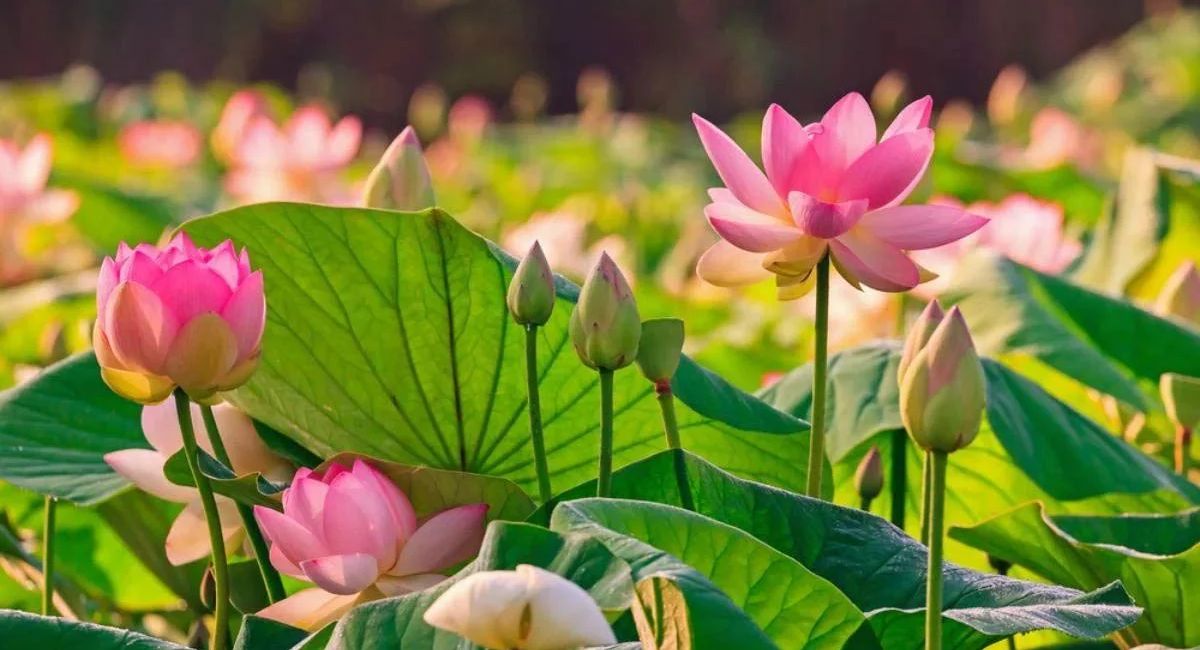
Surprisingly, another branch of internet content presents Boylecheloid as a rare flower.
According to these descriptions, the flower supposedly possesses:
- Spiraled petals
- Color-changing blooms
- A unique fragrance
- Extraordinary rarity
- Symbolic meaning related to transformation
These stories often portray the flower as mysterious and almost magical.
Does This Flower Actually Exist?
Current botanical records do not recognize any flower species named Boylecheloid.
Researchers and gardening enthusiasts have repeatedly noted that no scientific classification exists under that name. Most evidence suggests the flower is either:
- An internet myth
- A creative invention
- A symbolic concept
- A mistaken reference to another plant species
The Possible Connection to Cosmos bipinnatus
A Real Flower Behind the Legend
Some writers suggest that Boylecheloid may be linked to the flower known as Cosmos bipinnatus.
This colorful ornamental plant shares several traits often attributed to the mythical Boylecheloid flower:
- Attractive petals
- Vibrant colors
- Graceful appearance
- Easy cultivation
In some discussions, Boylecheloid is even described as a playful rearrangement or reinterpretation associated with Cosmos flowers.
Why the Association Makes Sense
People naturally create stories around beautiful flowers. Over time, those stories can evolve into folklore, blending reality with imagination.
The Boylecheloid flower appears to be a perfect example of this phenomenon.
Why Boylecheloid Became Popular Online
The Power of Mystery
Humans are naturally drawn to mysteries.
When a term lacks a clear explanation, curiosity grows. People begin searching, sharing theories, and creating content around it.
Boylecheloid benefits from several factors:
- Unusual spelling
- Scientific-sounding structure
- Multiple interpretations
- Limited authoritative information
Together, these characteristics create an ideal recipe for online fascination.
Digital Amplification
Once a term gains attention, search engines and social media platforms amplify its visibility.
As more people write about it, the mystery deepens, attracting even more curiosity.
Common Misconceptions About Boylecheloid
Misconception 1: It Is a Recognized Disease
There is no official medical diagnosis called Boylecheloid.
Misconception 2: It Is a Rare Flower Species
No verified botanical records support the existence of such a flower.
Misconception 3: It Is Dangerous
The word itself does not describe a specific dangerous condition. However, boils and keloids should still be evaluated by healthcare professionals when necessary.
Misconception 4: Every Raised Scar Is a Keloid
Not all scars qualify as keloids. Some are hypertrophic scars or normal healing responses.
Lessons We Can Learn from the Boylecheloid Phenomenon
The Internet Shapes Language
Words often emerge outside traditional dictionaries.
Online communities create terminology to describe experiences, observations, and ideas.
Critical Thinking Matters
Before accepting a term as scientific fact, it helps to verify information through reliable sources.
Curiosity Drives Discovery
Even when a term turns out to be unofficial, exploring its meaning can teach us valuable lessons about medicine, botany, language, and digital culture.
In many ways, Boylecheloid acts like a mirror reflecting how modern information spreads and evolves.
How to Approach Unfamiliar Terms Online
When encountering unusual terminology:
- Check authoritative sources.
- Compare multiple references.
- Look for scientific validation.
- Distinguish facts from speculation.
- Consult professionals for health-related concerns.
This approach helps prevent confusion and improves understanding.
Conclusion
Boylecheloid is a fascinating example of how language, curiosity, and internet culture intersect. Depending on where you encounter it, the term may refer to a combination of boil-related scarring and keloid formation or a mythical flower surrounded by mystery and symbolism. However, neither interpretation is currently recognized as an official scientific classification.
The popularity of Boylecheloid demonstrates how easily ideas spread in the digital age. A simple term can evolve into multiple stories, theories, and explanations, each adding another layer to the mystery. Whether viewed through a medical lens or a botanical one, Boylecheloid reminds us that curiosity is often the first step toward understanding.
FAQs
1. What is Boylecheloid?
Boylecheloid is an unofficial term commonly found online. It is often associated with boil-related scarring or described as a mythical flower.
2. Is Boylecheloid a real medical condition?
No. It is not recognized as an official medical diagnosis by major healthcare organizations.
3. Can a boil lead to a keloid scar?
Yes. In individuals prone to excessive scar formation, a healed boil can potentially result in a keloid scar.
4. Is the Boylecheloid flower scientifically recognized?
No. Botanical databases and scientific records do not list a flower species by that name.
5. Why has Boylecheloid become popular online?
Its unusual name, mysterious origins, and conflicting interpretations have sparked curiosity and encouraged widespread discussion across websites and social media platforms.