
In today’s fast-moving educational world, technology has become a vital part of how students learn and teachers teach. Traditional classrooms are no longer the only place where education happens. Digital platforms have created opportunities for learning anytime and anywhere. Among the many educational tools available today, Schoology Alfa has gained attention as a platform that supports communication, collaboration, and academic growth.
Whether you are a student trying to stay organized, a parent monitoring progress, or a teacher managing assignments, understanding how this learning platform works can help you make the most of modern education. This guide explores its features, benefits, challenges, and practical applications in detail.
What Is Schoology Alfa?
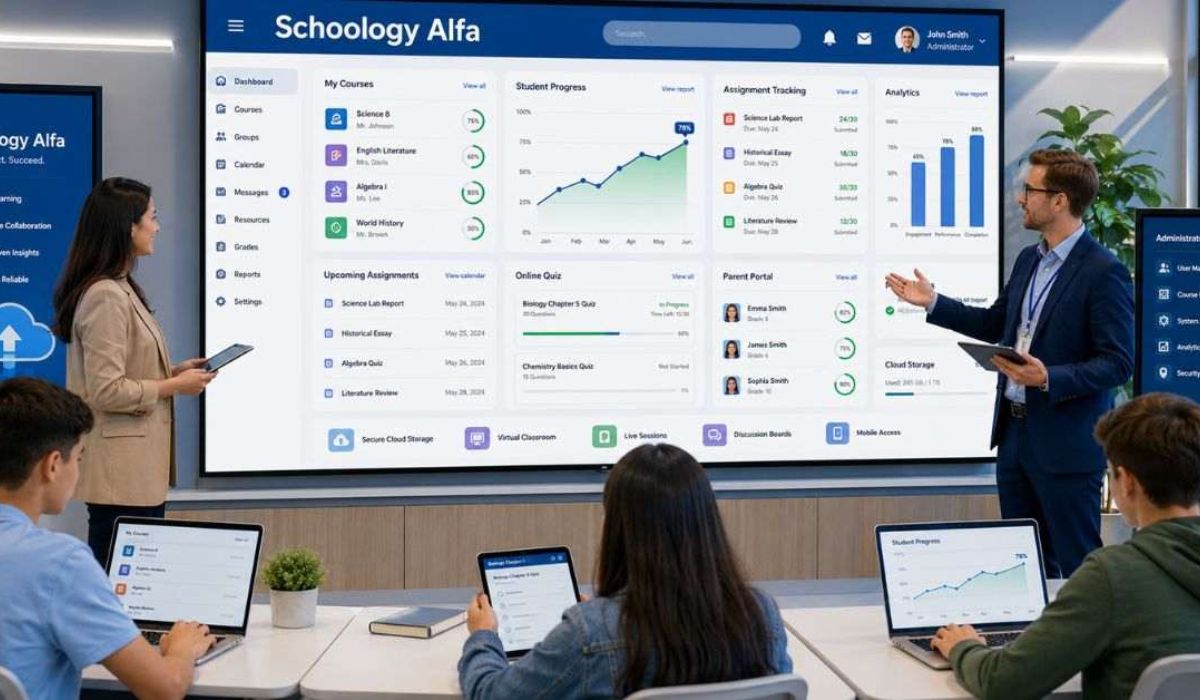
Schoology Alfa is an online learning environment designed to simplify education through digital tools and resources. It combines classroom management, communication, assessment, and content sharing into a single platform.
Think of it as a digital school campus. Instead of walking from classroom to classroom, students can access lessons, assignments, discussions, and grades from one centralized location.
The platform supports both traditional classroom instruction and remote learning environments. It helps educational institutions create structured learning experiences while keeping everyone connected.
A Centralized Learning Hub
One of the biggest strengths of the system is its ability to bring multiple educational functions together. Rather than using separate applications for assignments, communication, and grading, users can access everything from one dashboard.
Why Digital Learning Platforms Matter Today
Education has changed dramatically over the past decade. Schools and universities increasingly rely on technology to support learning outcomes.
Digital platforms offer flexibility that traditional methods often cannot provide. Students can review lessons at their own pace, while teachers can distribute materials instantly.
Supporting Different Learning Styles
Not every learner absorbs information in the same way. Some students prefer reading, while others learn better through videos, discussions, or interactive activities.
A digital environment allows educators to present information in multiple formats, making lessons more engaging and accessible.
Learning Beyond Classroom Walls
The modern classroom is no longer limited by physical boundaries. Students can participate in discussions, submit assignments, and access learning materials from virtually anywhere with internet access.
Key Features of Schoology Alfa
The platform offers a wide range of features that support effective teaching and learning.
Course Management
Teachers can create courses, upload resources, organize modules, and structure lessons efficiently. This makes it easier for students to navigate their academic responsibilities.
Assignment Distribution
Educators can post assignments, set deadlines, and provide detailed instructions. Students can submit work directly through the platform.
Grade Tracking
Learners can monitor their performance in real time. This transparency helps students understand their progress and identify areas needing improvement.
Discussion Boards
Interactive discussions encourage collaboration and critical thinking. Students can share ideas, ask questions, and participate in academic conversations.
Resource Sharing
Teachers can upload documents, presentations, videos, and links to educational materials, creating a comprehensive learning library.
How Students Benefit from Schoology Alfa
Students are often the primary users of educational platforms, and the benefits can be significant.
Better Organization
Managing multiple subjects can be challenging. The platform helps students keep track of assignments, deadlines, and course materials in one place.
Increased Independence
With easy access to resources, learners can take greater responsibility for their education. They can review content whenever needed and learn at their own pace.
Improved Communication
Students can contact teachers, participate in discussions, and receive feedback quickly. This creates a more connected learning experience.
Enhanced Engagement
Interactive content and collaborative activities help keep learners interested and motivated throughout the academic journey.
Advantages for Teachers and Educators
Teaching involves much more than delivering lessons. Educators must organize materials, assess performance, communicate with families, and manage classroom activities.
Efficient Classroom Management
Digital tools streamline administrative tasks, allowing teachers to focus more on instruction and student support.
Simplified Assessment
Assignments, quizzes, and exams can be created and graded through the platform, reducing paperwork and saving time.
Data-Driven Insights
Teachers can monitor participation, performance, and engagement levels. These insights help identify students who may need additional support.
Flexible Teaching Methods
Educators can combine videos, readings, discussions, and assessments to create rich learning experiences.
The Role of Parents in the Learning Process
Parents play an important role in student success. Educational platforms help strengthen the connection between home and school.
Monitoring Academic Progress
Parents can review grades, attendance records, and assignment completion status.
Improved Communication
Instead of waiting for report cards or parent-teacher conferences, families can stay informed throughout the academic year.
Supporting Student Accountability
When parents have visibility into academic activities, students are often more motivated to stay on track.
Schoology Alfa and Remote Education
Remote learning became especially important during global disruptions and continues to be a valuable educational option.
Learning from Anywhere
Students can access lessons whether they are at home, traveling, or unable to attend school physically.
Maintaining Educational Continuity
Unexpected events no longer have to interrupt learning. Teachers can continue delivering instruction through virtual classrooms and online resources.
Virtual Collaboration
Group projects, discussions, and peer interactions can continue even when students are geographically separated.
The platform acts like a bridge connecting students and teachers across distances, ensuring education continues to flow smoothly.
Communication Tools That Strengthen Collaboration
Successful education depends on communication. Without it, misunderstandings can easily arise.
Messaging Features
Teachers and students can exchange messages directly, making it easier to ask questions and provide clarification.
Announcements
Important updates can be shared instantly with entire classes or specific groups.
Collaborative Learning
Students can participate in discussions, group activities, and peer feedback sessions that encourage teamwork and engagement.
Managing Assignments and Assessments Effectively
One of the most valuable aspects of any learning management system is its ability to simplify academic tasks.
Assignment Submission
Students can upload projects, essays, and homework electronically, eliminating the need for paper submissions.
Online Quizzes and Tests
Teachers can create assessments that are automatically graded or manually reviewed.
Instant Feedback
Quick feedback helps students understand mistakes and improve their performance before future assessments.
Progress Monitoring
Students gain a clearer understanding of academic expectations and learning objectives.
Security and Privacy Considerations
Educational data must be protected carefully. Schools, teachers, students, and parents all rely on secure systems to safeguard information.
Protected User Accounts
Access is generally controlled through usernames and passwords, ensuring only authorized individuals can enter the platform.
Data Management
Educational institutions typically implement policies designed to protect academic records and personal information.
Responsible Digital Citizenship
Students are encouraged to use technology responsibly, respect online communities, and maintain professional behavior within learning environments.
Best Practices for Getting the Most Out of Schoology Alfa
Using a platform effectively requires more than simply logging in.
Check the Dashboard Regularly
Frequent visits help users stay informed about announcements, assignments, and deadlines.
Stay Organized
Creating routines for reviewing coursework can reduce stress and improve productivity.
Participate Actively
Students who engage in discussions and collaborative activities often gain a deeper understanding of course content.
Communicate Early
If questions or concerns arise, reaching out to teachers promptly can prevent larger problems later.
Use Available Resources
Videos, documents, tutorials, and discussion forums can provide valuable support throughout the learning process.
Common Challenges and How to Overcome Them
Like any technology, digital learning platforms come with challenges.
Internet Connectivity Issues
Reliable internet access is necessary for optimal performance. Downloading resources in advance can help when connectivity is limited.
Learning Curve
New users may initially find navigation unfamiliar. Spending time exploring features can increase confidence and efficiency.
Time Management Difficulties
Online learning requires discipline. Setting reminders and maintaining a study schedule can help students stay on track.
Digital Distractions
Social media and entertainment websites can compete for attention. Creating a dedicated study environment often improves focus.
The Future of Educational Technology
Educational technology continues to evolve rapidly. Learning management systems are becoming smarter, more personalized, and increasingly interactive.
Artificial intelligence, adaptive learning, analytics, and mobile accessibility are transforming how students engage with educational content. Platforms like Schoology Alfa represent a shift toward more flexible, connected, and learner-centered education.
As technology advances, digital classrooms may become even more immersive, offering personalized experiences tailored to each student’s strengths, goals, and learning preferences.
Conclusion
Schoology Alfa represents the growing role of technology in education by bringing learning resources, communication tools, assessments, and classroom management into a unified environment. It supports students by improving organization and accessibility, helps teachers streamline instruction and evaluation, and gives parents greater visibility into academic progress.
In many ways, the platform functions like a digital ecosystem where every participant in the educational process can collaborate effectively. As schools continue embracing technology, platforms such as Schoology Alfa are likely to remain important tools for creating engaging, flexible, and efficient learning experiences. By understanding its features and applying best practices, students, teachers, and parents can maximize the benefits of modern digital education.
FAQs
1. What is Schoology Alfa used for?
Schoology Alfa is used for online learning, classroom management, assignment distribution, communication, assessments, and progress tracking within educational environments.
2. Can parents access Schoology Alfa?
Yes, many educational institutions provide parent access so families can monitor grades, assignments, attendance, and academic progress.
3. Is Schoology Alfa suitable for remote learning?
Yes, it supports virtual classrooms, digital assignments, communication tools, and online assessments, making it effective for remote education.
4. How does Schoology Alfa help teachers?
Teachers can manage courses, distribute materials, create assessments, track performance, communicate with students, and organize classroom activities more efficiently.
5. What are the main benefits for students?
Students benefit from improved organization, easy access to learning materials, better communication with teachers, real-time grade monitoring, and greater learning flexibility.