
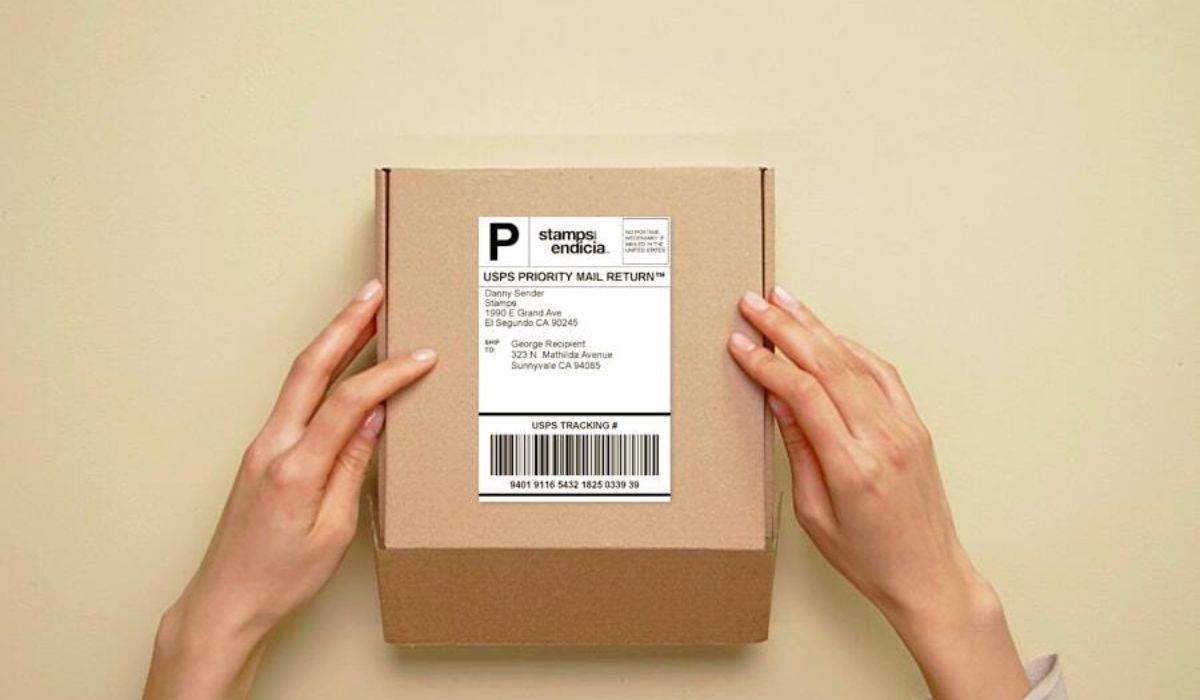

Shipping might look simple on the surface—you buy something online, it gets packed, and it arrives at your door. But behind that smooth experience is a powerful system of tools, software, and logistics networks working together.
In this article, we’ll explore how Auctane, ShipStation, and the USPS ecosystem work together to simplify shipping for businesses and improve delivery experiences for customers. Whether you’re running an online store or just curious about how packages travel across the country, this guide breaks it down in a clear, human-friendly way.
Introduction: Why Shipping Technology Matters More Than Ever
Online shopping has become part of everyday life. But have you ever wondered how thousands of orders are processed, labeled, and shipped so quickly?
Think of shipping like a busy highway system. Without traffic control, signs, and rules, everything would be chaos. That’s where shipping platforms come in—they act like the “traffic managers” of eCommerce logistics.
Companies like Auctane and its platform ShipStation help businesses organize orders, print labels, choose carriers, and track deliveries—all from one place. When combined with USPS services, they create a smooth bridge between online sellers and customers.
Let’s break it down step by step.
What Is Auctane and Why Does It Matter?
Auctane is a technology company focused on simplifying shipping and logistics for businesses of all sizes.
Instead of handling shipping manually, Auctane provides software tools that automate much of the process. Its goal is simple: make shipping less stressful and more efficient.
You can think of Auctane as the “parent ecosystem” that powers several shipping tools, including ShipStation. It brings together different solutions that help businesses manage everything from order fulfillment to delivery tracking.
In simple terms, Auctane is like the engine under the hood, while ShipStation is one of the most visible dashboards drivers use every day.
Understanding ShipStation: The Control Center for Shipping

ShipStation is one of Auctane’s most popular tools. It acts as a central hub where online sellers can manage all their orders in one place.
Instead of logging into multiple carrier websites, businesses can:
- Import orders from online stores like Shopify or WooCommerce
- Compare shipping rates across carriers
- Print shipping labels in bulk
- Track packages automatically
- Send notifications to customers
Imagine running a busy restaurant kitchen. Without a system, orders would get lost or delayed. ShipStation works like a digital kitchen display, organizing everything so nothing falls through the cracks.
It saves time, reduces errors, and helps businesses scale without needing a large logistics team.
USPS: A Reliable Backbone of U.S. Shipping
USPS (United States Postal Service) is one of the oldest and most trusted delivery services in the United States.
It handles millions of packages every day, offering services like:
- First-Class Mail
- Priority Mail
- Priority Mail Express
- Parcel Select
What makes USPS especially valuable for online sellers is its wide coverage—even reaching rural areas that some private carriers don’t prioritize.
In the shipping world, USPS is like the “road network” that connects every corner of the country. Without it, delivery systems would be far less accessible.
How ShipStation Integrates with USPS
The real power comes when ShipStation and USPS work together.
Instead of going directly to USPS’s website for every shipment, businesses can connect their USPS account to ShipStation. This integration allows them to:
- Access discounted USPS rates (depending on account type)
- Print USPS labels instantly
- Schedule pickups
- Track shipments in real time
It’s like having a single remote control for multiple devices. Everything becomes faster and easier to manage.
For small businesses, this integration is a game changer because it reduces manual work and improves shipping accuracy.
Key Benefits of Using ShipStation with USPS

When these systems work together, businesses experience several advantages:
1. Cost Savings
USPS often offers competitive rates, especially for lightweight packages. Combined with ShipStation’s rate comparison tools, sellers can choose the most affordable option.
2. Time Efficiency
Instead of switching between tabs or systems, everything is handled in one dashboard.
3. Fewer Errors
Automated label printing reduces mistakes like wrong addresses or missing details.
4. Better Customer Experience
Customers receive tracking updates and faster delivery estimates.
5. Scalability
As businesses grow, they don’t need to completely change systems—they simply scale within the platform.
Think of it like upgrading from a bicycle to an electric bike—you still move forward, but with much less effort.
Inside the Auctane Ecosystem Beyond ShipStation
Auctane isn’t limited to just one tool. It operates a broader ecosystem that supports different aspects of logistics.
This includes solutions for:
- Label creation
- Shipping rate optimization
- Warehouse fulfillment
- Multi-carrier management
Each tool focuses on a specific piece of the shipping puzzle.
The idea is simple: instead of forcing businesses to juggle multiple disconnected tools, Auctane brings everything under one umbrella.
How Businesses Set Up ShipStation with USPS
Setting up ShipStation with USPS is fairly straightforward. Here’s how it usually works:
Step 1: Create Accounts
Businesses sign up for both ShipStation and USPS services.
Step 2: Connect Carrier Settings
Inside ShipStation, users add USPS as a shipping carrier.
Step 3: Configure Shipping Rules
They can set preferences like delivery speed, package type, and cost limits.
Step 4: Import Orders
Orders from online stores automatically flow into ShipStation.
Step 5: Print Labels and Ship
With a few clicks, shipping labels are generated and packages are ready to go.
It’s like setting up a smart home system—once everything is connected, daily tasks become almost automatic.
Understanding Pricing and Shipping Rate Control

Shipping costs can be tricky. Prices vary depending on weight, distance, speed, and carrier.
ShipStation helps businesses by:
- Comparing USPS rates with other carriers
- Showing discounted options
- Allowing custom shipping rules
- Helping avoid overpaying for delivery
This level of control is especially useful for small businesses trying to stay competitive in a crowded online marketplace.
Without tools like this, sellers would spend hours manually checking rates—a bit like calculating fuel prices every time you take a trip instead of using a GPS app.
Common Challenges and How to Solve Them
Even with advanced tools, shipping isn’t always perfect. Some common issues include:
1. Incorrect Address Data
Solution: Use automated validation tools inside shipping software.
2. Delayed Shipments
Solution: Offer multiple carrier options to avoid dependency on one service.
3. Label Printing Errors
Solution: Always double-check printer settings and label formats.
4. Rate Confusion
Solution: Use built-in rate comparison features.
The good news is that most of these problems can be reduced significantly with proper setup and automation.
Best Practices for Online Sellers
To get the most out of shipping systems, businesses should:
- Automate repetitive tasks whenever possible
- Regularly review shipping costs
- Offer multiple delivery options
- Keep packaging consistent
- Use tracking notifications for customers
Think of shipping like cooking for guests—the smoother the preparation, the better the overall experience.
The Future of Shipping Automation
Shipping technology is evolving rapidly. In the near future, we can expect:
- Faster automation through AI
- More accurate delivery predictions
- Expanded carrier partnerships
- Smarter warehouse systems
- Real-time logistics optimization
Platforms like ShipStation and ecosystems like Auctane are already moving in this direction, making shipping more seamless than ever.
Eventually, shipping may feel as simple as clicking “buy” and watching everything happen automatically behind the scenes.
Conclusion
The combination of Auctane’s ecosystem, ShipStation, and USPS shows how modern shipping has transformed from a manual process into a highly automated system.
What once required hours of coordination can now be managed from a single dashboard. For businesses, this means saving time, reducing costs, and improving customer satisfaction. For customers, it means faster and more reliable deliveries.
At its core, shipping technology is about connection—linking sellers to buyers in the most efficient way possible. And as these systems continue to evolve, that connection will only become stronger and smoother.
FAQs
1. What is Auctane used for?
Auctane is a technology company that builds shipping and logistics solutions to help businesses automate order fulfillment and delivery processes.
2. Is ShipStation suitable for small businesses?
Yes, ShipStation is designed for both small and large businesses, helping them manage orders, print labels, and track shipments efficiently.
3. Why do businesses use USPS with ShipStation?
USPS offers wide coverage and competitive pricing, making it a reliable and cost-effective shipping option when integrated with ShipStation.
4. Can ShipStation reduce shipping costs?
Yes, it helps compare carrier rates and offers access to discounted shipping options, which can significantly reduce expenses.
5. Is shipping automation difficult to set up?
Not really. Most modern platforms, including ShipStation, are designed to be user-friendly and can be set up in a few simple steps.