


Introduction
In today’s digital world, a name can travel farther than a person ever intended. One search on the internet can spark thousands of questions, assumptions, and curiosity. The name Caleb James Goddard is one such example that appears in online discussions, search queries, and curiosity-driven exploration.
But what do we actually know? And why do certain names attract attention even when public information is limited?
This article takes a thoughtful, human-centered look at the idea behind the name, the nature of online visibility, and how digital culture shapes what we believe we know about people. Instead of chasing rumors or unverified claims, we’ll explore something more meaningful—how identity, privacy, and public curiosity intersect in the modern world.
Think of the internet as a giant library where some books are fully written, some are half-finished, and some only have a title on the cover. A name like this often belongs to that “title-only” shelf, where curiosity fills in the blanks.
Let’s explore what that means in detail.
1. Understanding the Curiosity Around a Name
Why do people search for certain names repeatedly?
It often starts with curiosity triggered by social media, discussions, or a passing mention somewhere online. When a name appears without context, the human brain naturally wants to complete the story.
In the case of Caleb James Goddard, the curiosity may come from:
- Online mentions without clear background details
- Interest in personal or genealogical identity
- Social media fragments or search engine suggestions
- General human curiosity about unfamiliar names
This is not unusual. In fact, it’s part of how modern internet culture works. We often “fill in the blanks” when information is incomplete.
But here’s the important part—curiosity does not always equal clarity.
2. Early Life and Background: The Limits of Public Information

When researching any individual, early life is usually the first thing people want to know. Where were they born? What shaped their childhood? What influenced their personality?
However, in many cases, especially with less publicly documented individuals, this information is not widely available or verified.
And that’s important to understand.
Not every name on the internet belongs to a public figure. Some individuals simply exist within private life boundaries, where details are not meant for mass consumption.
Instead of assuming, it’s healthier to acknowledge that:
- Some backgrounds remain private by choice
- Not all personal histories are documented online
- Lack of information is not a gap to be filled with speculation
Imagine a closed book sitting on a shelf. You can see its title, but the pages are not open to the public. Respecting that boundary is part of responsible digital awareness.
3. Education and Personal Development: What We Can and Cannot Assume
Education is often used as a way to understand someone’s journey. It tells us about interests, discipline, and direction in life.
But again, unless confirmed through reliable sources, making assumptions can lead to misinformation.
Instead, we can talk about education in a broader sense:
- People grow through formal and informal learning
- Skills are developed in many environments, not just classrooms
- Personal growth is often shaped by experiences, not just academics
So when information is limited, it’s better to focus on the general idea of human development rather than specific claims.
Everyone’s learning path is unique—like fingerprints, no two are exactly the same.
4. Career Path and Professional Journey
One of the most searched aspects of any individual is their career. People want to know what someone does, how they contribute, and what achievements they have made.
However, in cases where public records are not available or verified, it is important to avoid speculation.
Instead, we can reflect on a broader truth:
A career is not always linear.
Some people:
- Change professions multiple times
- Work in behind-the-scenes roles
- Contribute in ways that are not publicly visible
- Prefer to keep their professional life private
In today’s world, success is not always measured by visibility. Many meaningful contributions happen quietly, without public attention.
Think of it like a stage performance—the audience only sees the actors, not the crew working behind the curtains. Yet both are equally important.
5. Digital Footprint and Online Presence
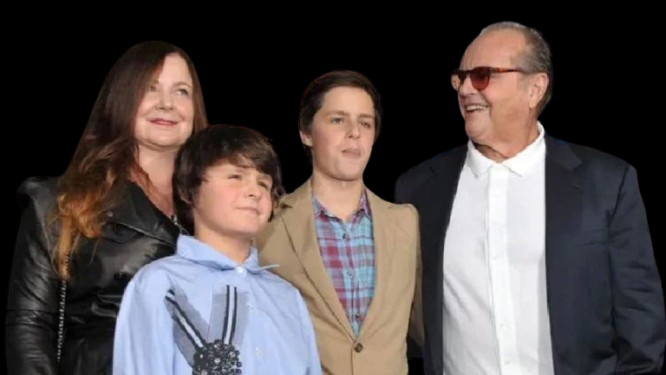
Every person connected to the internet leaves behind a digital footprint. This includes:
- Search engine results
- Social media activity
- Mentions in articles or blogs
- Public records or references
However, not all footprints are large or easy to trace.
Some individuals have:
- Minimal online presence
- Limited public engagement
- Private or restricted profiles
This creates a situation where curiosity grows, but information remains limited.
In the digital age, absence of data can sometimes speak louder than presence. It raises questions like:
- Is this person private by choice?
- Are they simply not publicly active?
- Or is the information just not widely documented?
These are open-ended questions without automatic answers.
6. Media Attention and Public Interest
Media plays a huge role in shaping what we know about people. If someone is featured in news, interviews, or public platforms, their visibility increases.
But not everyone receives media attention—and that’s completely normal.
Public interest often grows due to:
- Name mentions in online communities
- Curiosity-driven search trends
- Connections to broader topics or discussions
- Algorithm suggestions on search platforms
It’s important to remember that visibility does not always equal significance. Many individuals live meaningful lives without ever appearing in media headlines.
7. Privacy in the Digital Age
One of the most important topics today is privacy.
We live in a time where information spreads quickly, sometimes faster than it can be verified. This creates a responsibility for readers and writers alike.
Privacy matters because:
- It protects personal boundaries
- It prevents misinformation
- It ensures respect for individuals’ lives
- It reduces unnecessary speculation
Not every detail about a person is meant for public consumption, and that’s okay.
In fact, privacy is becoming a form of modern luxury.
8. Misconceptions and Information Gaps

When information is limited, gaps often get filled with assumptions. This can lead to misunderstandings.
Common issues include:
- Confusing individuals with similar names
- Repeating unverified claims
- Mixing fiction with reality
- Misinterpreting online fragments
This is why critical thinking is essential. Before accepting any detail as truth, it’s important to ask:
- Is this information verified?
- What is the source?
- Can it be confirmed elsewhere?
Without these checks, misinformation spreads easily.
9. The Importance of Verified Information
In an age of fast content, verified information is more valuable than ever.
Reliable information typically comes from:
- Official records
- Trusted publications
- Direct statements or interviews
- Well-documented sources
When such sources are missing, it is better to remain cautious rather than assume accuracy.
Think of it like cooking—ingredients must be confirmed before preparing a meal. Otherwise, the final result may not be what you expect.
10. Public Figures vs Private Individuals
Not every searched name belongs to a public figure.
Public figures:
- Are actively involved in media or public work
- Have documented achievements or roles
- Are intentionally visible to audiences
Private individuals:
- Live outside the public spotlight
- May have limited or no media coverage
- Do not seek public attention
Understanding this difference helps reduce confusion and speculation.
It also encourages respect for personal boundaries.
11. Why People Search for This Name Online
Search behavior is often driven by psychology more than information.
People search names because:
- They are curious about identity
- They want context for something they saw
- They are exploring genealogy or connections
- They follow online trends or suggestions
Search engines amplify this curiosity by suggesting related queries, even when data is minimal.
In many cases, the search becomes more about curiosity itself than about the actual person.
12. Broader Lessons from Digital Visibility
The bigger lesson here is not just about one name—it’s about how we interact with information online.
We learn that:
- Not everything searched has a public story
- Silence in data does not mean something is hidden
- Respect for privacy is important in digital spaces
- Curiosity should be balanced with responsibility
The internet gives us access to information, but it also requires wisdom in how we interpret it.
Conclusion
In a world overflowing with data, it’s easy to assume that every name has a complete story available online. However, reality is more nuanced. Some identities remain partially visible, shaped by limited information and growing curiosity.
Rather than forcing conclusions, it’s more meaningful to accept the boundaries of what is known and unknown. In doing so, we build a healthier relationship with information—one based on respect, accuracy, and understanding.
Names may spark curiosity, but not every story is meant to be fully uncovered by search engines alone.
FAQs
1. Who is Caleb James Goddard?
There is limited verified public information available, and details may not be widely documented in reliable sources.
2. Why is this name searched online?
People often search unfamiliar names due to curiosity, online mentions, or algorithm-driven suggestions.
3. Is there confirmed biographical information available?
At present, there is no widely verified or publicly documented biography from authoritative sources.
4. Why is information sometimes missing about individuals online?
Many people choose to keep their lives private, or they may simply not have public exposure or media coverage.
5. How should we approach limited online information?
It is best to rely on verified sources, avoid assumptions, and respect privacy when information is unclear or unavailable.