
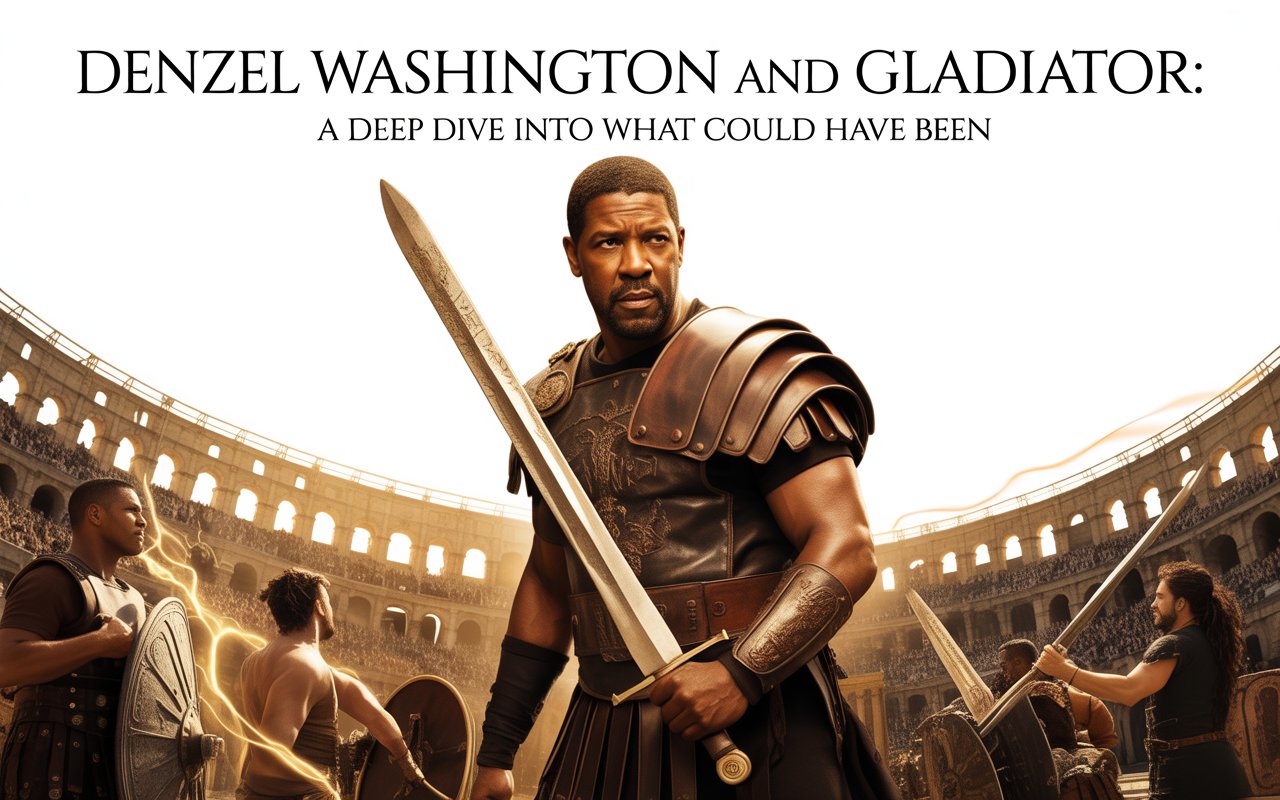

When you think of Denzel Washington, images of gritty intensity, raw talent, and unforgettable performances come to mind. When you think of Gladiator, you picture the sand‑scorched arenas of ancient Rome, the thunderous clash of swords, and Russell Crowe’s iconic roar as Maximus. But what if Gladiator had starred Denzel Washington? How would the film feel different? Why does this “what‑if” continue to fascinate movie lovers? Let’s explore a world where these two giants of storytelling intersect — not just in imagination, but in the broader sense of legacy, inspiration, and cinematic resonance.
This article is your complete guide to understanding why the idea of Denzel Washington in Gladiator has captured fan attention, what it reveals about both the actor and the film, and how the power of imagination bridges gaps between culture, performance, and history.
1. A Glorious What‑If: Why Fans Imagine Denzel as a Gladiator
Have you ever pictured your favorite actor in a role they never played? That’s the essence of a fan “what‑if” — and with Denzel Washington, it’s especially intriguing.
While Gladiator was released in 2000 starring Russell Crowe as Maximus, fans often reimagine the lead with different actors in mind. Denzel’s commanding presence and emotional depth make him a natural contender in the imagination of many. Think about it: his performance in films like Training Day or Glory shows he can portray a leader, a warrior, and a man driven by honor — the very traits Maximus embodies.
This blend of imagination and admiration fuels discussions on social media, in film communities, and even among critics. It’s not just about casting; it’s about exploring how storytelling shifts when viewed through a new lens.
2. Denzel Washington: The Man Behind the Screen
To understand why people picture Denzel as a gladiator, we need to appreciate who he is as an actor.
Born in 1954 in New York, Denzel carved a career that defies simple definition. He’s played everything from a tough‑talking cop to a historical civil rights leader. Yet the constant through every performance is authenticity. He doesn’t act *as much as he becomes his characters.
His emotional honesty and charisma on screen invite audiences to trust him with complex roles — even roles rooted in eras and experiences far removed from his own. That’s why imagining him as a Roman general turned gladiator doesn’t feel far‑fetched to fans. You sense he would carry the emotional weight of such a role with dignity and fire.
3. Gladiator: A Story of Power, Loss, and Redemption
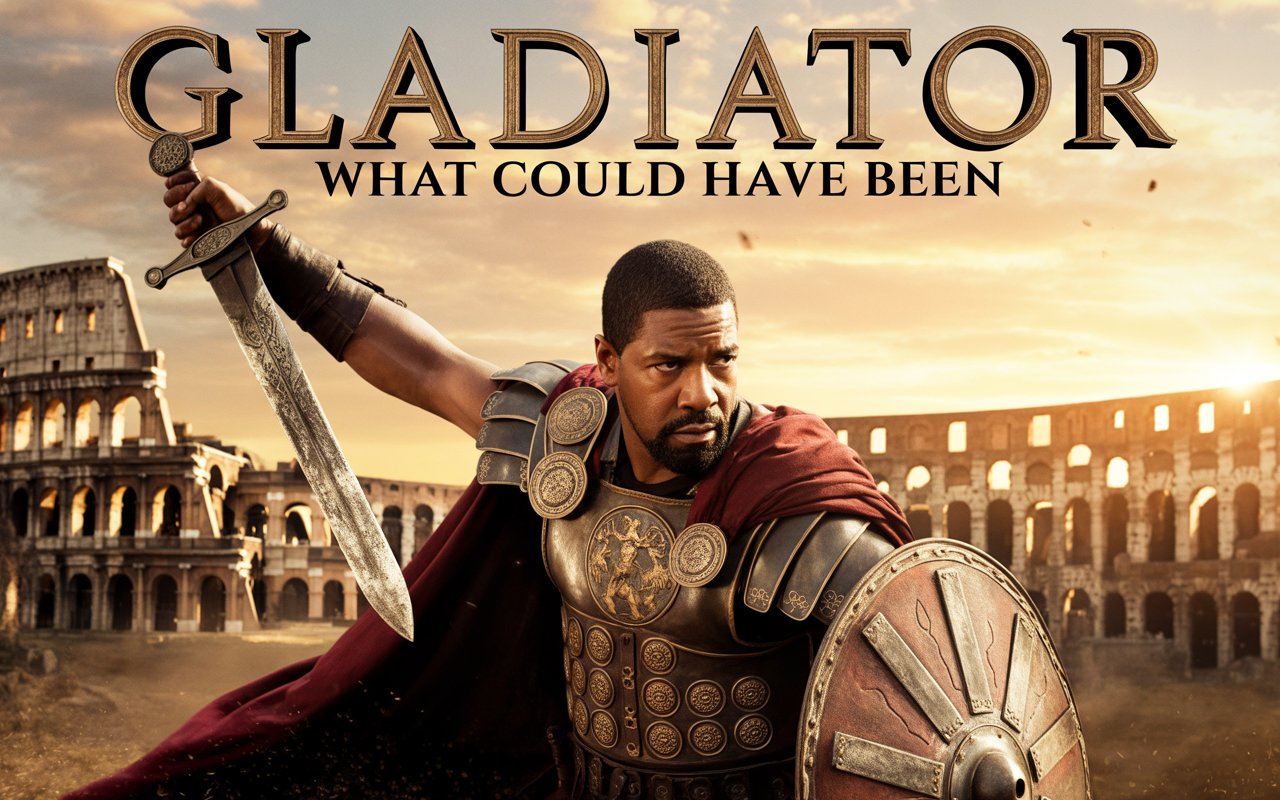
Gladiator is more than a sword‑and‑sandals blockbuster. It’s a tale about a man betrayed, stripped of his family and rank, and forced to be reborn within the brutal world of the arena. Maximus’s journey isn’t just physical — it’s spiritual. Audiences connect because it feels personal: a story of loss, loyalty, and identity.
This narrative arc — from privileged commander to oppressed fighter — resonates deeply with universal themes. It invites us to ask: What would I do if I were stripped of everything I held dear? That kind of emotional pull is what makes the idea of Denzel in such a role so captivating.
If you replace Maximus in your mind with an actor known for emotional range, moral complexity, and fierce presence, you start to see why fans link Denzel with this story.
4. The Heart of a Warrior: Denzel Washington’s Screen Persona
Let’s examine what makes Denzel compelling on screen — especially for a warrior role.
Bold Leadership
In many films, Denzel exudes leadership. He doesn’t just talk — he commands. That’s essential for a gladiator general.
Moral Complexity
Denzel’s characters often wrestle with inner conflict. Maximus wasn’t just a soldier; he was a man torn between duty and emotion. This complexity would fit Denzel like an aged leather cuirass.
Emotional Depth
Whether rage, sorrow, or quiet resolve, Denzel delivers emotion in layers. A gladiator isn’t just a fighter — he must carry scars no one else can see. That’s territory Denzel owns.
5. Comparing Screen Styles: What Denzel Brings vs. Traditional Gladiator Energy
It’s enlightening to compare:
-
Russell Crowe brought a gritty, physical momentum to Maximus — a man hardened by battle and loss.
-
Denzel Washington would likely bring a more introspective strength — one where silence speaks as loud as steel.
Not better or worse — just different. Where Crowe’s Maximus roars, Denzel’s might reflect, weigh, and then strike. That shift changes the emotional rhythm of the story.
6. Fans, Forums, and Fantasy Casting: The Culture of Imagination

In the internet age, fans don’t just watch movies — they recast them. From mash‑ups to speculative threads, this practice reveals something powerful: we constantly rewrite stories to reflect our dreams and identities.
Imagine a forum post titled “Denzel as Maximus — yay or nay?” What follows would blend humor, deep film theory, and pure admiration. These conversations keep stories alive long after release and show how deeply movies become part of our cultural imagination.
7. Beyond Gladiator: Denzel in Other Epic Roles
Reasoning beyond a single film, could Denzel thrive in other epic historical tales?
Absolutely.
From ancient battles to timeless sagas, his voice and presence carry a dignity fit for myth. Imagine him as a samurai general, a legendary Viking, or even a hero in a lost civilization. The spirit he brings to roles — resilience, honor, burdens — makes him perfect for stories with epic beats.
This isn’t just fan casting — it’s recognition of a performer whose presence feels destined for mythic cinema.
8. What Gladiator Teaches Us About Humanity (and Why Denzel Fits That Lesson)
At its heart, Gladiator isn’t simply about swords and sand. It’s about resilience — the capacity to endure, adapt, and rise.
-
Loss doesn’t end you — it shapes you.
-
Faith isn’t about religion — it’s about hope.
-
Power doesn’t define you — your choices do.
When you think of Denzel’s greatest roles, these themes pop up again and again. His characters don’t just fight villains — they wrestle with meaning. That’s precisely the type of storytelling Gladiator delivers.
This thematic resonance helps explain why fans see a natural bridge between the actor and the role.
9. The Magic of Casting: Why It Matters So Much
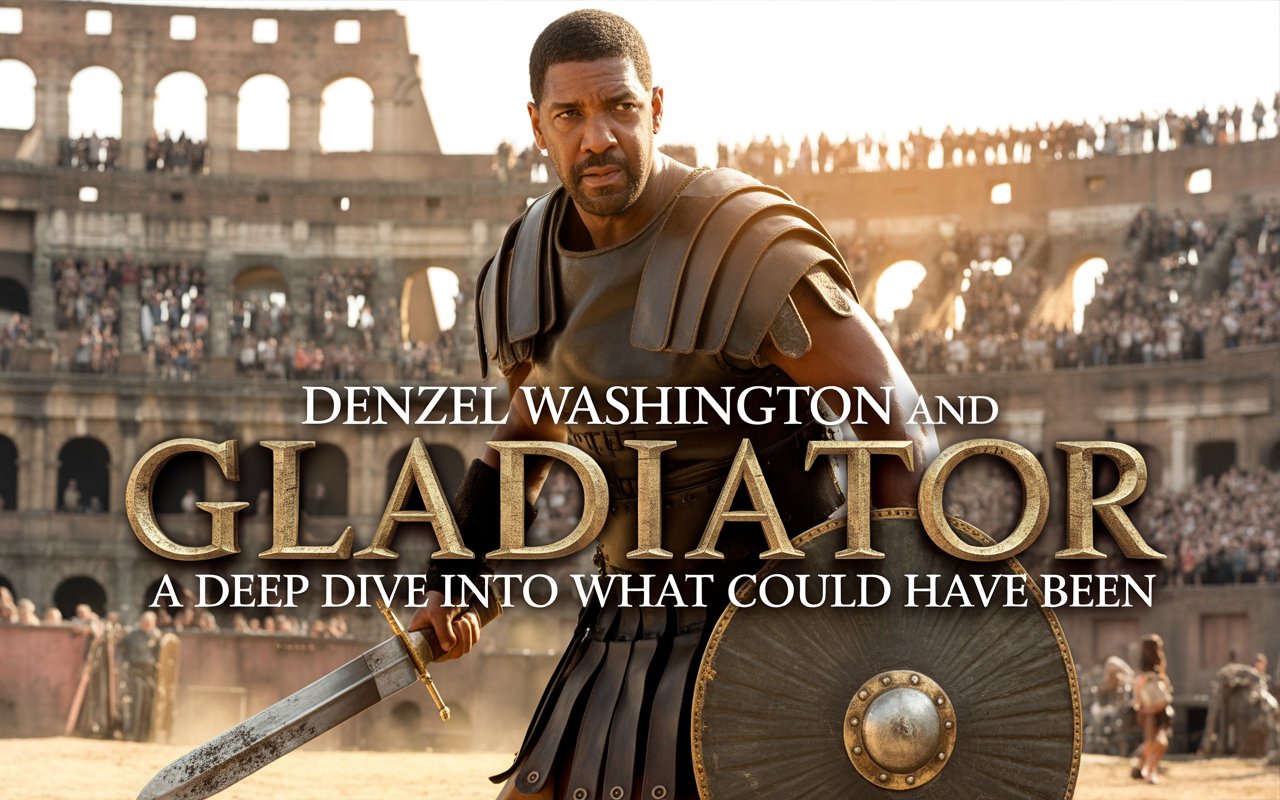
Why do we care so much about who plays what? Casting isn’t cosmetic. It shapes:
-
Tone – How the story feels
-
Emotion – What we care about
-
Interpretation – What we take away
When fans imagine Denzel in Gladiator, they aren’t just swapping faces. They’re imagining a shift in emotional truth, cultural weight, and legacy — not just for the character, but for the story itself.
It’s like re‑imagining a classic song with a new singer — the melody is familiar, but the feeling changes.
10. Could Hollywood Ever Re‑Imagine Gladiator With a New Lead?
Reboots and reimaginings happen all the time. Classic stories are retold in new voices, new cultures, and new perspectives.
Would a version of Gladiator with Denzel work? If done with heart, respect, and creativity — yes. But it wouldn’t be the same story. It would be something new: a reinterpretation rooted in different sensibilities, perhaps even different themes.
That’s the beauty of storytelling. It’s never static. It evolves with us.
11. Lessons From the Denzel‑Gladiator Connection
What does this exploration teach us beyond casting fantasies?
Story Isn’t Owned — It’s Shared
We all bring our experiences to stories. When fans reimagine roles, they’re not rewriting history — they’re conversing with it.
Great Performers Expand Narratives
Actors like Denzel don’t just fill roles — they push audiences to feel deeper, question more, and engage actively.
Imagination Is Part of Cinema
Movies don’t live only on screen. They live in our thoughts, conversations, and dreams.
12. Final Thoughts: Beyond the Arena
Denzel Washington starring in Gladiator may never happen on film, but the idea matters. It speaks to the power of storytelling, the connection between performer and audience, and the endless possibility of imagination.
Every great film sparks questions:
-
What if?
-
Why not?
-
How else?
And in those questions, stories live on.
Whether you loved Gladiator as it was, or you see it differently through the lens of another actor, the real victory is in the connection — the way cinema challenges us to imagine, feel, and explore beyond the frame.
Conclusion: More Than a Crossover — A Celebration of Imagination
Thinking about Denzel Washington in Gladiator isn’t just fan wishful thinking — it’s a celebration of what cinema does best: stir our hearts, ignite our imaginations, and invite us to see stories in new lights.
Stories are not fixed. They belong to all of us.
And sometimes, imagining a legend in a legendary tale reveals more about us than about the roles themselves.
FAQs
1. Could Denzel Washington have played Maximus in Gladiator?
While he wasn’t cast, many fans believe his presence and emotional range would fit the role well. Imagining him in that part highlights how deeply audiences connect with actors’ strengths.
2. Why do fans reimagine roles with different actors?
People reimagine roles to explore new emotional tones, cultural perspectives, and personal preferences. It keeps stories alive in fresh ways.
3. Was Denzel ever considered for Gladiator?
There’s no public evidence that he was ever formally considered for the role, but the idea lives strongly in fan discussions.
4. What qualities make Denzel Washington appealing for epic roles?
Denzel brings emotional depth, leadership presence, moral complexity, and authenticity — traits that enrich any heroic or dramatic character.
5. Can a movie reinterpretation ever replace the original?
Reinterpretations don’t replace originals — they offer new insights. Both versions can coexist, each resonating with audiences differently.