
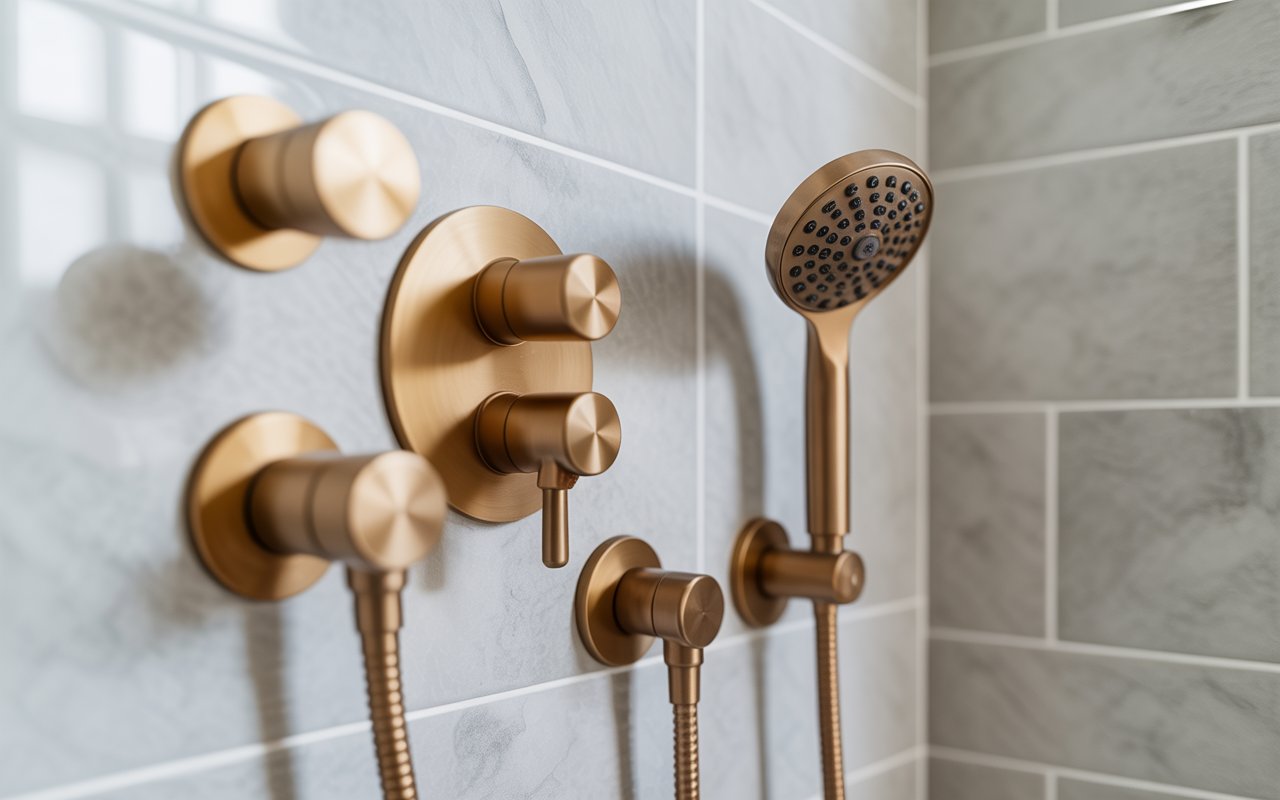

When you step into the bathroom after a long day, the first thing your hand usually reaches for is the shower handle. It may seem like a simple piece of hardware, but it plays a big role in how comfortably you control water flow, temperature, and your overall bathing experience. Think of it like the steering wheel of your shower—small, but extremely important for direction and comfort.
In this comprehensive guide, we’ll explore what makes a shower handle so essential, the different types, how they work, how to choose the right one, and the signs that it’s time for a replacement. Whether you’re remodeling your bathroom or simply replacing an old part, this article will walk you through everything you need to know in an engaging and simple way.
H2: Understanding What a Shower Handle Really Does
When you turn a shower handle, you’re doing more than just starting the water. You’re controlling temperature, pressure, and comfort. Shower handles act as the interface between you and the plumbing system inside the wall.
Strong: How It Controls Water Flow
The handle is connected to a valve that controls how much cold or hot water passes through. When you rotate or pull the handle, you open or close this valve, which adjusts the water coming out of the showerhead.
Strong: Temperature Adjustment
Some handles have built-in balancing that prevents sudden temperature changes when someone else uses a faucet or a toilet. This feature is especially helpful in family homes.
H2: Different Types of Shower Handles
Shower handles come in several designs, each offering unique control, convenience, and style.
Strong: Single-Handle Systems
A single-handle design lets you control temperature and flow using just one lever or knob. It’s user-friendly and ideal for minimalistic or modern bathrooms.
Strong: Double-Handle Systems
This type uses two separate handles—one for hot water and one for cold. While more classic in style, they offer precise temperature control.
Strong: Triple-Handle Shower Setups
Less common today but still found in older homes, these systems separate hot, cold, and flow diverter functions. They provide excellent precision but can be trickier to repair.
Strong: Lever Handles
Lever handles are ergonomic and easy to grip. They’re great for people with mobility issues or arthritis.
Strong: Knob Handles
Round knob handles are popular in older bathrooms. Though simple in design, they require more wrist movement.
Strong: Push-Pull Handles
Used mostly in older single-handle systems, you pull the handle out to activate the water and push it in to stop it.
H2: Materials Used in Shower Handles

The durability, feel, and lifespan of a shower handle depend heavily on the material used to make it.
Strong: Metal Handles
Metal handles—such as brass, stainless steel, or chrome—are the most durable and resistant to daily wear.
Strong: Plastic Handles
Plastic options are more affordable but not as long-lasting. They may become loose or crack over time but are budget-friendly.
Strong: Mixed-Material Options
Some modern handles combine metal bases with rubber or silicone grips for added comfort.
H2: Styles and Aesthetics for Modern Bathrooms
A shower handle may be a functional item, but it’s also part of your bathroom’s overall design.
Strong: Minimalist Designs
Simple and sleek handles are perfect for contemporary bathrooms where clean lines matter.
Strong: Traditional Styles
Decorative handles with curves and ornamental finishes match vintage or classic themes.
Strong: Matte and Brushed Finishes
Matte black and brushed nickel have become especially popular in modern interior design for adding a subtle, stylish touch.
H2: How Shower Handles Connect to Valves
The valve behind the wall is the heart of your shower system. The handle simply acts as the control panel.
Strong: Pressure-Balancing Valves
These valves maintain consistent temperature, even when water pressure changes elsewhere in the home.
Strong: Thermostatic Valves
These allow you to set a specific temperature, making them ideal for luxury showers.
Strong: Diverter Valves
If you have multiple showerheads or a tub spout, the diverter valve directs water to the right output.
H2: Signs You Need to Replace Your Shower Handle
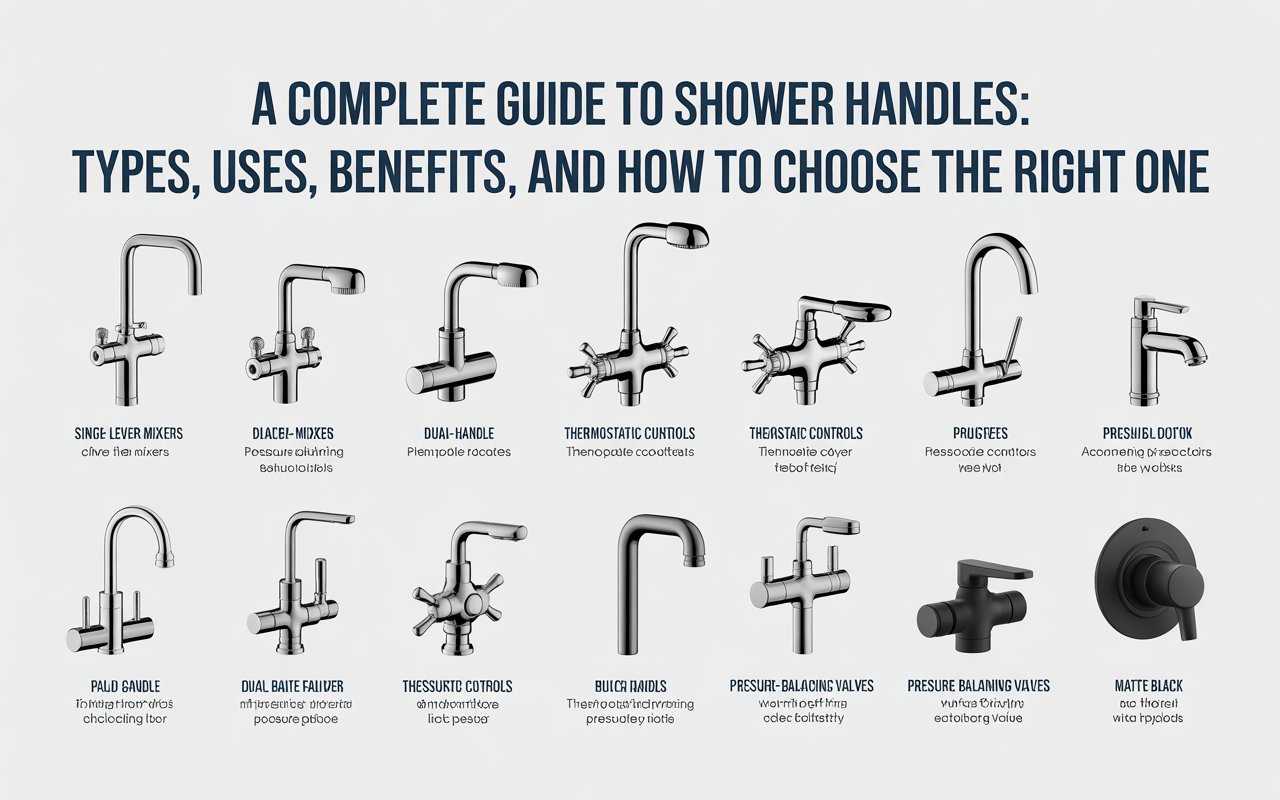
Your shower handle might still work, but certain warning signs indicate it’s time for an update.
Strong: Difficulty Turning the Handle
If it feels stiff or you have to use extra force, the internal parts may be worn out.
Strong: Water Leaks
Leaks often signal that the handle or internal cartridge needs replacing.
Strong: Temperature Fluctuations
Sudden hot or cold bursts may be caused by a faulty valve behind the handle.
Strong: Loose or Wobbly Handle
This usually indicates stripped screws or worn internal parts.
H2: How to Choose the Right Shower Handle
Picking the perfect handle can improve both functionality and bathroom aesthetics.
Strong: Match Your Valve Type
Not every handle fits every valve. Always check compatibility before buying.
Strong: Consider Your Bathroom Style
Choose a handle that complements your tiles, faucets, and overall décor.
Strong: Ease of Use
Think about who will use the shower—children, seniors, or guests may need simpler controls.
Strong: Durability and Quality
Opt for sturdy materials that can withstand humidity and daily handling.
H2: Installation Tips for Homeowners
While some installations are simple, others require a professional.
Strong: DIY Replacements
Replacing only the outer handle is often a quick task and usually requires a screwdriver and Allen wrench.
Strong: When to Call a Professional
If you need to replace the valve or fix internal leaks, it’s time to hire a plumber.
H2: Maintenance Tips to Extend the Lifespan

With proper care, your shower handle can last for years.
Strong: Regular Cleaning
Use mild soap and water—avoid chemicals that damage finishes.
Strong: Tighten Loose Screws
A quick tightening can prevent long-term wear.
Strong: Check for Mold or Rust
Bathroom moisture can cause corrosion. Inspect the handle area regularly.
H2: Safety Features to Consider
Modern shower handles offer additional safety measures.
Strong: Anti-Scald Features
Many handles include limit stops to prevent dangerously hot temperatures.
Strong: Slip-Resistant Designs
Textured grips help prevent slipping, especially when hands are wet.
H2: Shower Handle Replacement Costs
Prices vary depending on style, material, and installation.
Strong: Budget Options
Plastic or simple metal handles can cost less than a meal out.
Strong: Mid-Range Designs
These balance price with style and durability.
Strong: High-End Choices
Luxury finishes, thermostatic controls, and unique styles come at a premium.
Conclusion
A shower handle might seem like a small detail in the bathroom, but it has a surprisingly big impact on your comfort, safety, and daily routine. Whether you’re updating the décor, solving plumbing problems, or simply wanting smoother control of your water flow, choosing the right handle makes all the difference. With the insights from this guide, you’re well-equipped to make a smart decision that suits your style, budget, and home needs.
FAQs
1. What is the most durable material for a shower handle?
Metal options like stainless steel or brass are the most durable and long-lasting.
2. Why is my shower handle hard to turn?
Stiffness usually means internal parts are worn or clogged with mineral deposits.
3. Can I replace a shower handle without replacing the valve?
Yes, as long as the new handle is compatible with the existing valve system.
4. How long does a typical shower handle last?
A quality handle can last anywhere from 7 to 20 years with proper maintenance.
5. What should I do if my shower temperature keeps changing?
This often indicates a failing mixing valve, which may need repair or replacement.




