
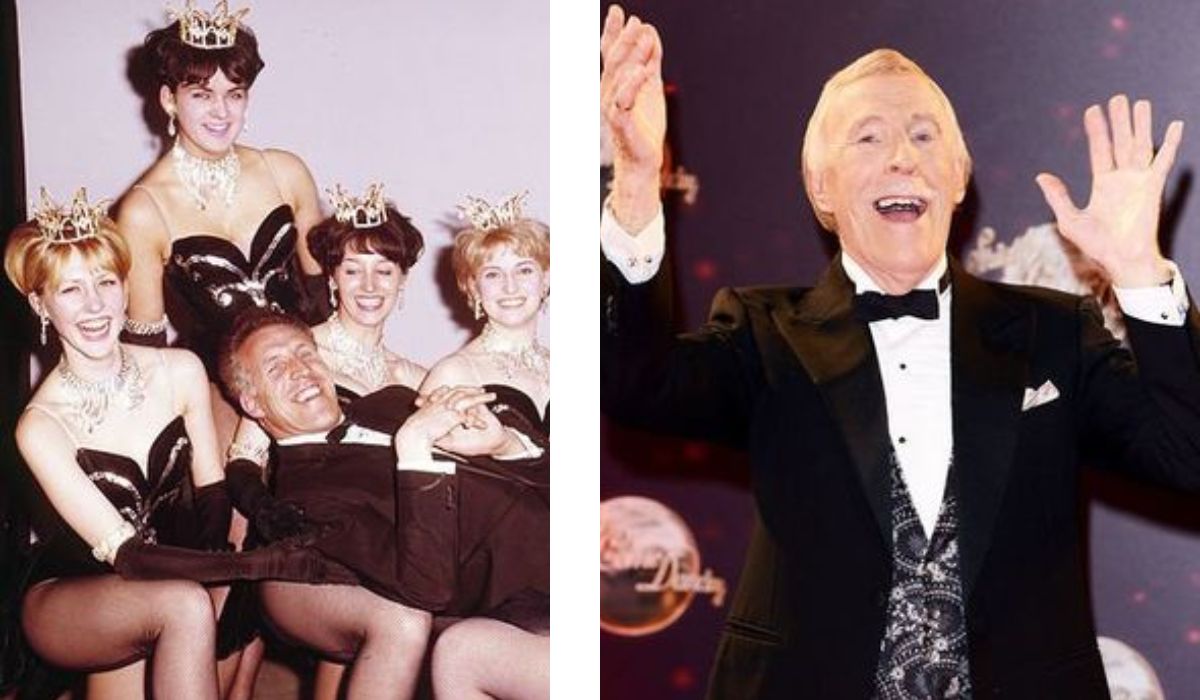

Television has introduced audiences to countless memorable faces over the years, but only a few leave a lasting impression that survives generations. One such personality is Anthea Redfern. Known for her charm, elegance, and warm on-screen presence, she became a familiar face in British entertainment during the golden era of television.
For many viewers, she represented a time when family entertainment brought people together in living rooms every weekend. Her role alongside legendary presenter Bruce Forsyth helped shape one of the most iconic game shows in British TV history. But there is far more to her story than simply standing beside a host and smiling for the cameras.
This article explores her background, rise to fame, television career, personal life, influence on entertainment, and the legacy she continues to hold today.
Early Life and Background
Before becoming a recognizable television figure, Anthea Redfern lived a relatively private life. Born in the United Kingdom, she grew up during a period when television was becoming an essential part of family culture. Entertainment was rapidly evolving, and opportunities in broadcasting were opening for talented and charismatic individuals.
Like many aspiring performers of her generation, she developed an interest in media, performance, and public communication at an early age. While details about her childhood remain limited, her later success suggests she possessed confidence, professionalism, and natural stage presence long before entering television.
Her early years laid the foundation for what would later become a successful career in entertainment. Sometimes success in television resembles planting seeds in a quiet garden—you may not see immediate results, but with patience and timing, those seeds eventually bloom into something unforgettable.
Entering the World of Television
Breaking into television during the 1970s was not easy. Competition was intense, and opportunities were limited compared to the modern digital era. Yet Anthea Redfern managed to stand out in a crowded entertainment landscape.
Her graceful appearance and ability to connect with audiences quickly caught the attention of producers. Unlike many performers who relied heavily on dramatic personalities, she brought calmness and authenticity to the screen. Viewers felt comfortable watching her, which became one of her greatest strengths.
Television producers understood that audiences appreciated presenters and assistants who felt approachable rather than overly glamorous or distant. This quality helped her secure opportunities that eventually transformed her public profile.
Rise to Fame on The Generation Game

The defining moment of her career came through the hugely popular British television show The Generation Game. The program became one of the most beloved entertainment shows in the UK, attracting millions of viewers every week.
Working alongside Bruce Forsyth proved to be a turning point. Their chemistry on screen appeared natural, energetic, and engaging. Forsyth’s humor combined perfectly with Redfern’s elegance and warmth.
The show itself focused on families competing in amusing challenges and games. It mixed laughter, competition, and unpredictability, creating a format that appealed to viewers of all ages.
Why Audiences Loved the Show
Several factors contributed to the enormous popularity of The Generation Game:
- Family-friendly entertainment
- Humorous and lighthearted atmosphere
- Relatable contestants
- Strong presenter chemistry
- Memorable catchphrases and moments
At a time before streaming platforms and social media, programs like this became national events. Families gathered together to watch, laugh, and discuss the episodes afterward.
Anthea Redfern played an important role in maintaining the show’s cheerful and welcoming tone.
Working Relationship with Bruce Forsyth
Any discussion about Anthea Redfern naturally includes her professional relationship with Bruce Forsyth. He was already an established entertainer when they began working together, but their partnership elevated the show even further.
Forsyth’s energetic personality needed balance, and Redfern provided exactly that. She complemented his style without competing for attention. Together, they created a smooth and entertaining rhythm that audiences genuinely enjoyed.
Many viewers appreciated how relaxed and natural their interactions seemed. Rather than feeling scripted, their exchanges appeared spontaneous and friendly.
Over time, rumors and public curiosity about their relationship increased, which often happens when television personalities share strong chemistry. While media attention sometimes focused heavily on this aspect, Redfern maintained professionalism throughout her career.
The Role of Women in Television During the 1970s
To understand Anthea Redfern’s importance, it is essential to consider the television industry during her era. In the 1970s, women on television were often limited to supporting roles. Opportunities for female presenters and personalities were not as broad or equal as they are today.
Despite these limitations, many women used their visibility to influence entertainment culture positively. Redfern became part of a generation that helped redefine what female television personalities could represent.
Challenges Women Faced in Broadcasting
Women working in television during that time often encountered:
- Unequal recognition
- Limited creative control
- Appearance-focused criticism
- Fewer leading roles
- Intense media scrutiny
Yet personalities like Anthea Redfern demonstrated professionalism, intelligence, and audience appeal. Her success proved that viewers valued authenticity and charm just as much as glamour.
She became a recognizable example of grace under pressure in an industry known for constant public judgment.
Public Attention and Media Interest
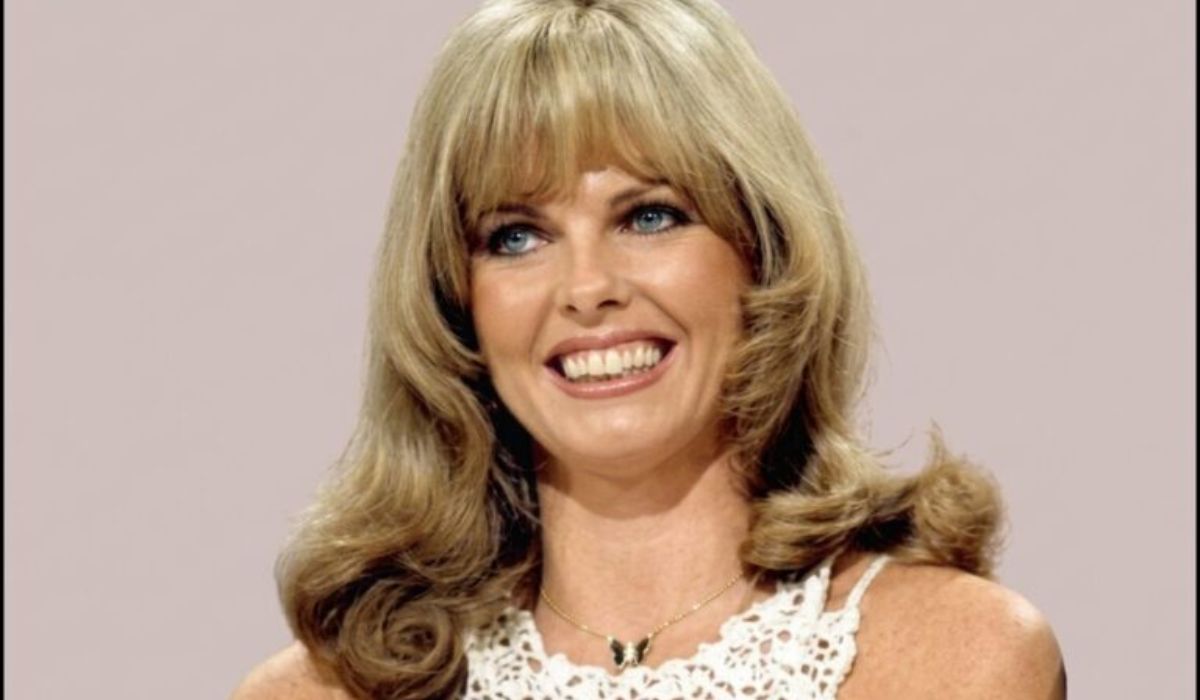
Fame can be both rewarding and exhausting. Once Anthea Redfern became a household name, public curiosity about her life increased dramatically.
Tabloids and entertainment magazines frequently covered television stars during this period. Audiences wanted to know everything about their favorite personalities, from relationships to behind-the-scenes stories.
Although media attention helped boost her popularity, it also created challenges. Maintaining privacy while living in the public eye is never easy. Imagine trying to enjoy a quiet meal while millions of strangers feel they already know you from television every week.
Despite the pressure, Redfern managed to maintain dignity and composure throughout much of her public career.
Personal Life and Relationships
One aspect of Anthea Redfern’s life that attracted public discussion was her relationship with Bruce Forsyth. Their connection became widely reported in British media, particularly because Forsyth was already one of the nation’s most famous entertainers.
Relationships involving celebrities often become larger than life in public imagination. Fans become emotionally invested, and media coverage can blur the line between professional partnership and personal reality.
Although their relationship received significant attention, Redfern generally avoided excessive publicity and sensationalism. She appeared to value discretion rather than constant media exposure.
This approach likely helped preserve her reputation and public respect over the years.
Life Beyond Television
Unlike some celebrities who constantly seek the spotlight, Anthea Redfern gradually stepped away from mainstream television attention. Many viewers wondered what happened after her most famous years on screen.
Leaving television can be difficult, especially for personalities associated with hugely successful programs. Public recognition may fade, but the emotional connection audiences feel often remains strong for decades.
Redfern chose a more private lifestyle compared to many entertainment figures. Rather than continuously chasing fame, she appeared comfortable moving beyond constant public visibility.
There is something admirable about individuals who understand when to step away gracefully. In an era obsessed with endless attention, that decision reflects confidence and self-awareness.
Lasting Impact on British Entertainment
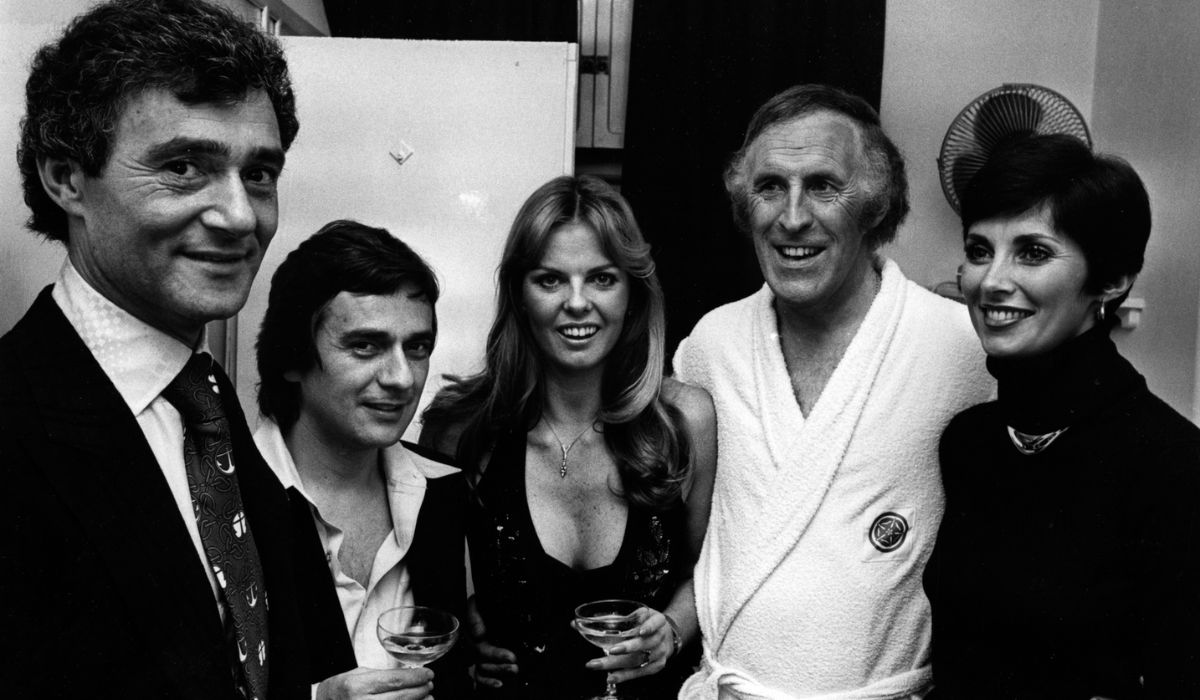
Although newer generations may not immediately recognize her name, Anthea Redfern remains an important figure in British television history.
Her contribution to entertainment extends beyond a single program. She helped shape a style of television that emphasized warmth, humor, and family connection.
Elements of Her Lasting Influence
Her legacy includes:
- Helping popularize family-oriented game shows
- Demonstrating professionalism in live entertainment
- Becoming a recognizable female TV personality
- Supporting one of Britain’s most iconic presenters
- Contributing to classic television culture
Classic television personalities often become symbols of their era. Redfern represents a nostalgic period when entertainment focused heavily on togetherness and simple enjoyment.
Nostalgia and the Golden Age of Television
Why do people still remember figures like Anthea Redfern decades later? The answer lies partly in nostalgia.
Television during the 1970s and 1980s created shared experiences unlike today’s fragmented streaming culture. Millions watched the same programs simultaneously, creating collective memories across the country.
Shows like The Generation Game became part of family traditions. Viewers associated them with laughter, comfort, and relaxation after busy weeks.
Anthea Redfern’s presence contributed to that atmosphere. Her familiar smile and calm demeanor became comforting elements of weekend entertainment.
Modern television offers countless choices, but many people still miss the simplicity of classic broadcasting. There was a unique magic in knowing the entire nation was watching the same moment together.
How Modern Television Has Changed
Comparing Anthea Redfern’s era to modern entertainment reveals dramatic changes in television culture.
Then vs. Now
| Classic Television Era | Modern Television Era |
|---|---|
| Limited channels | Endless streaming platforms |
| Shared viewing experiences | Personalized viewing habits |
| Family-centered programming | Niche audience targeting |
| Slower media cycles | Instant social media reactions |
| Long-lasting celebrity careers | Rapid fame turnover |
In today’s entertainment industry, television personalities often face enormous pressure from online commentary and constant digital exposure. During Redfern’s career, public attention existed, but it moved at a slower pace.
This slower environment allowed audiences to develop deeper long-term connections with television figures.
Public Memory and Cultural Appreciation
Even though Anthea Redfern is not constantly featured in modern headlines, many classic television fans continue to remember her fondly.
Old television clips, documentaries, and nostalgia programs frequently revisit the era in which she became famous. Audiences who grew up watching The Generation Game often recall her with affection.
Cultural memory works in interesting ways. Some celebrities disappear quickly, while others remain tied to meaningful moments in people’s lives. Redfern belongs to the latter category.
Her career may not have been filled with controversy or endless reinvention, but sometimes consistency and warmth create a stronger legacy than dramatic headlines ever could.
Why Anthea Redfern Still Matters Today
You might wonder why people continue discussing a television personality from decades ago. The answer is simple: entertainment history matters because it reflects social history.
Television personalities influence culture, family traditions, and public conversations. Anthea Redfern helped shape an important chapter in British broadcasting.
She represents:
- Professionalism
- Classic entertainment values
- Grace under public attention
- The evolution of women’s roles in television
- Nostalgic family programming
In many ways, figures like her remind audiences of a gentler entertainment era—one focused less on scandal and more on shared enjoyment.
Conclusion
Anthea Redfern remains a memorable figure in British television history because of her warmth, professionalism, and contribution to family entertainment. Her work on The Generation Game alongside Bruce Forsyth created moments that audiences still remember decades later.
While television has evolved dramatically since her time in the spotlight, the qualities that made her popular—authenticity, charm, and connection with viewers—remain timeless. She may not dominate modern headlines, but her legacy continues through the memories of audiences who grew up during Britain’s golden age of entertainment television.
In a world where fame often disappears overnight, lasting public affection is rare. Anthea Redfern achieved exactly that.
FAQs
Who is Anthea Redfern?
Anthea Redfern is a British television personality best known for her work on The Generation Game, where she appeared alongside Bruce Forsyth during the show’s most popular years.
Why was Anthea Redfern famous?
She became famous due to her role on The Generation Game, a highly successful British family entertainment show watched by millions of viewers.
Did Anthea Redfern and Bruce Forsyth have a relationship?
Yes, their relationship attracted significant media attention during their time working together, although both maintained professional careers in entertainment.
What made The Generation Game so popular?
The show combined humor, family participation, games, and strong presenter chemistry, making it enjoyable for audiences of all ages.
Is Anthea Redfern still active in television?
Anthea Redfern stepped away from mainstream television many years ago and has largely remained out of the public spotlight since then.