

Introduction
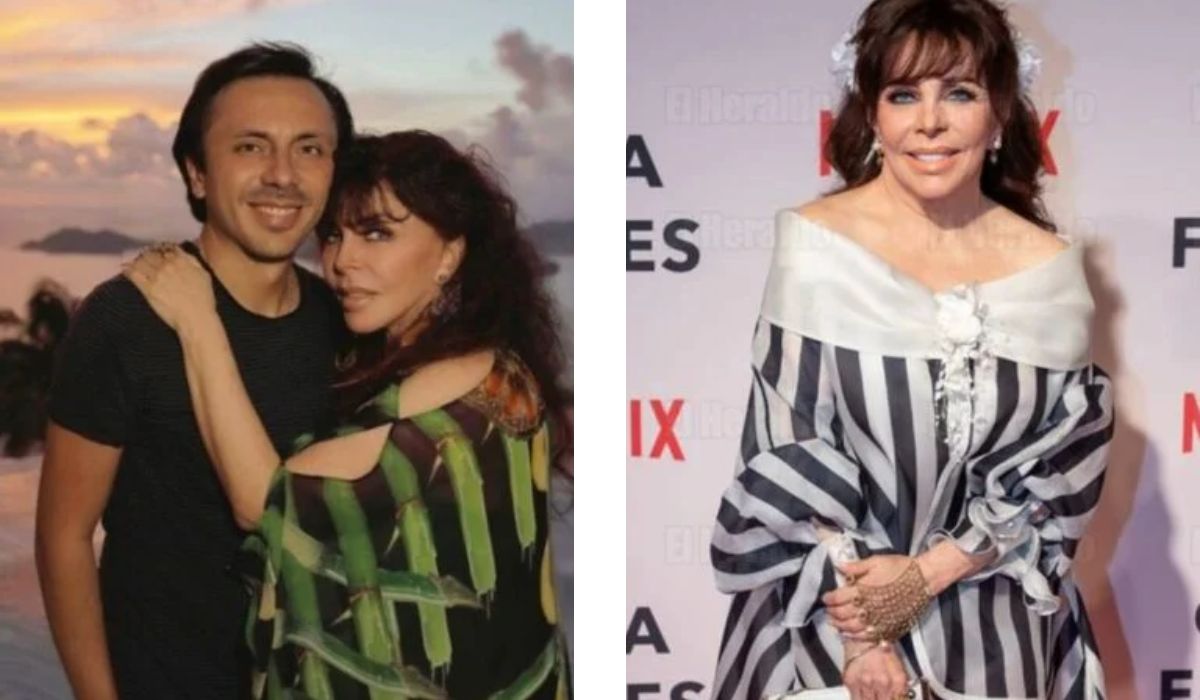
In today’s digital world, some names begin to circulate online and spark curiosity even when little confirmed information is publicly available. One such name is Michel Sáenz Castro. People search, question, and try to connect the dots, often mixing fact with speculation.
This article takes a careful, human-centered approach to understanding why certain individuals become topics of public interest, what we can responsibly interpret about online identity, and how modern media shapes perception. Rather than making assumptions, we will explore themes around visibility, digital footprints, and public curiosity in a thoughtful and accessible way.
Who is Michel Sáenz Castro?
The name Michel Sáenz Castro appears across online searches and social mentions, but verified biographical information is limited in public records. This often happens with individuals who may not be traditional celebrities but still attract attention due to their associations, surname recognition, or digital presence.
In many cases like this, the interest is not only about a person’s direct achievements but also about how their identity is perceived in the wider online environment. Sometimes, a name alone becomes a point of curiosity—especially when it resembles or connects to well-known cultural or entertainment figures.
Think of it like hearing a melody without knowing the song. You recognize something familiar, but the full composition is not immediately clear.
Early Life and Background: What We Can Understand

When public information is limited, early life details are often not clearly documented. However, it is still possible to understand the general context in which such individuals are discussed.
Many people whose names gain attention online are part of larger cultural or familial networks that attract interest. Others may simply have a growing digital footprint that has not yet been fully documented in media or publications.
Instead of focusing on uncertain specifics, it is more useful to recognize how modern identity works: not everything about a person is instantly visible, even in an era of constant sharing.
Family Connections and Public Curiosity
One major reason certain names gain traction is association. In the case of Michel Sáenz Castro, public curiosity often arises due to the “Castro” surname, which is widely recognized in entertainment and cultural contexts in Latin America.
However, it is important to be careful here—similar surnames do not always confirm direct relation to famous individuals. The internet often connects dots quickly, sometimes incorrectly.
This phenomenon reflects how people naturally try to build narratives. When we hear a familiar name, our brain attempts to place it in a known category. It’s a bit like seeing puzzle pieces and assuming they belong to the same picture—even when they don’t always fit.
Career Path and Public Presence
In the digital age, a “career” does not always mean television appearances or traditional media roles. It can also include:
- Social media activity
- Creative or artistic work
- Private professional roles
- Emerging digital influence
For individuals like Michel Sáenz Castro, public visibility may exist in small but meaningful ways rather than in mainstream coverage.
What matters more is understanding that not everyone with online recognition is a public celebrity. Some people become known simply because their name appears in certain digital spaces, conversations, or searches.
Education and Formative Influences
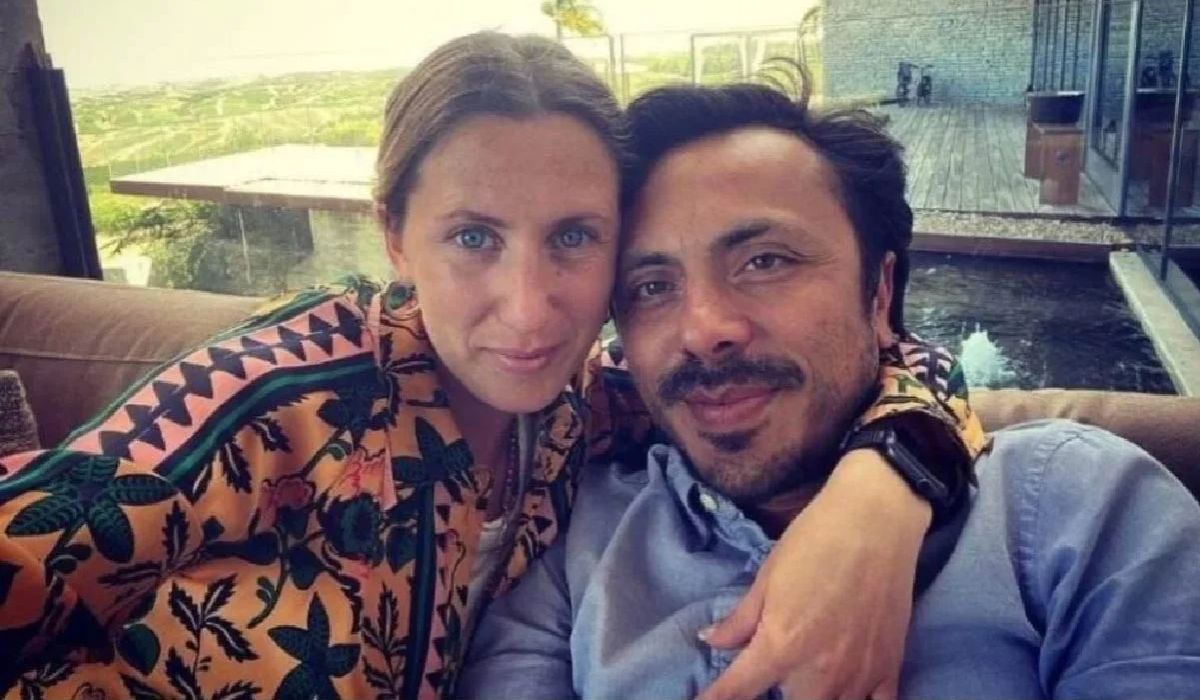
Education and personal development often remain private unless shared publicly by the individual. However, in general terms, anyone growing up in a modern interconnected world is influenced by:
- Media exposure
- Cultural environment
- Family values
- Online communities
- Technology and social platforms
These influences shape personality, ambitions, and communication style. Even without detailed records, we can understand that identity formation today is deeply tied to digital interaction and global awareness.
Public Perception and Online Attention
Why do some names attract attention even without widespread fame?
The answer lies in how information spreads online. Search engines, social media algorithms, and user curiosity all play a role.
Once a name appears in a few searches, it can gain momentum. People begin asking:
- “Who is this?”
- “Are they related to someone famous?”
- “Why is this name trending?”
This cycle creates a loop of curiosity. Interestingly, the attention itself often becomes more significant than the original source of interest.
It’s similar to hearing a rumor in a crowded room—soon, everyone is talking about it, even if few know where it started.
Social Media and Digital Identity
Today, social media platforms play a major role in shaping how individuals are perceived. Even a minimal online presence can spark curiosity if the name appears in the right context.
Digital identity is not just about posts or profiles—it is about how others interpret and share information. A single mention can travel far, especially when people begin searching for more details.
For individuals like Michel Sáenz Castro, this means that identity may exist in fragments:
- A mention here
- A tag there
- A search query elsewhere
Together, these fragments form a partial picture in the public mind.
Cultural Relevance and Why People Search

Cultural curiosity is a powerful force. People are naturally drawn to names that feel familiar, unique, or connected to something larger.
Several reasons may explain why a name becomes widely searched:
- Similarity to well-known public figures
- Association with entertainment industries
- Viral mentions or online discussions
- Curiosity about family lineage or background
This is not unusual. In fact, it reflects how modern audiences interact with information—they explore, question, and seek connection.
In many ways, searching for a name is like opening a door without knowing exactly what is behind it.
Challenges of Online Identity Confusion
One major issue in the digital age is identity confusion. When multiple people share similar names, or when information is incomplete, misunderstandings can easily occur.
Challenges include:
- Misattributed identities
- False assumptions about relationships
- Repeated misinformation
- Blurred personal boundaries
This can affect both public perception and personal privacy. Once incorrect information spreads online, it can be difficult to correct.
That is why responsible interpretation of online content is so important. Not everything found on the internet reflects verified reality.
Privacy and Public Life Balance
In an age where visibility is often expected, privacy becomes a valuable and sometimes fragile concept.
Not everyone with a searchable name intends to be publicly known. Some individuals prefer a quieter life, even if their name circulates online.
Balancing public curiosity and personal privacy involves respecting boundaries:
- Not assuming unknown details
- Avoiding speculation as fact
- Recognizing the limits of available information
- Understanding that silence does not equal absence
Think of privacy like a closed curtain in a lit room—you know something exists behind it, but not everything is meant to be seen.
Lessons from Digital-Age Curiosity
The case of Michel Sáenz Castro—or any similarly searched name—offers broader lessons about how we consume information today.
Key takeaways include:
- Curiosity should be balanced with accuracy
- Not all online information is complete or verified
- Names can trend without clear context
- Digital identity is often fragmented
- Respect for privacy remains essential
In a world overflowing with data, wisdom lies not just in knowing more—but in understanding what is reliable.
Conclusion
The growing interest around names like Michel Sáenz Castro highlights a larger truth about modern digital culture: visibility does not always equal clarity.
People search, speculate, and connect dots, but the full picture is often more complex than it appears. Rather than rushing to conclusions, it is more valuable to approach such topics with curiosity, caution, and respect for privacy.
In the end, every name represents a real person, and every online trace is only a fragment of a much larger story.
FAQs
1. Who is Michel Sáenz Castro?
Publicly available verified information about Michel Sáenz Castro is limited, and most discussions online focus on curiosity rather than confirmed biography.
2. Why is this name searched online?
The name attracts attention due to online curiosity, possible surname recognition, and general interest in identity connections.
3. Is Michel Sáenz Castro a public figure?
There is no widely confirmed evidence suggesting mainstream celebrity status; attention appears mostly driven by digital searches.
4. Why do people get confused about similar names?
Online searches often mix individuals with similar or familiar names, leading to assumptions or identity confusion.
5. What can we learn from this online interest?
It shows how digital culture shapes curiosity, but also highlights the importance of verifying information before accepting it as fact.