


If you’ve ever watched Naruto, you know it’s more than just a story about ninjas. It’s a world filled with emotions, adventure, and characters that stay with you long after the screen fades to black. For fans and aspiring artists alike, drawing Naruto and his friends isn’t just a hobby—it’s a journey into the heart of creativity. But where do you start? How do you capture the spirit of these characters on paper? Let’s explore everything you need to know about Naruto drawing.
Why Naruto Drawing is So Popular
Have you ever noticed how some characters just stick in your mind? Naruto Uzumaki is one of those. His determination, emotions, and unique look make him a dream subject for artists. Drawing Naruto allows fans to connect with the story on a personal level.
Think of drawing as a bridge: it connects your imagination to reality. With Naruto, that bridge becomes even more exciting because every whisker on his face, every swirl on his jacket, and every dynamic pose tells a story.
Understanding Naruto’s Character Design
Before putting pencil to paper, understanding the character is key. Naruto has some signature features:
-
Spiky blond hair – wild, free-spirited, and instantly recognizable.
-
Whisker-like marks – a nod to the fox demon within him.
-
Bright blue eyes – full of life and determination.
-
Orange jumpsuit – bold, energetic, and impossible to ignore.
Knowing these details helps you capture the essence of Naruto, not just his physical form. Remember, drawing is more than copying—it’s about translating personality.
Essential Tools for Naruto Drawing

You don’t need an art studio to start. A few basic tools can take you far:
-
Pencils: A range from 2B to 6B is ideal for shading and detail.
-
Erasers: Kneaded erasers are perfect for subtle highlights.
-
Paper: Smooth drawing paper prevents smudges.
-
Inking pens: For final outlines and crisp details.
-
Digital tools: Tablets and styluses work great for modern artists.
It’s like cooking—you don’t need a Michelin-star kitchen to make a delicious meal, just the right ingredients.
Step-by-Step Naruto Drawing Guide
1. Sketching the Basic Outline
Start with simple shapes: circles for the head, ovals for the body, and lines for limbs. Don’t worry about perfection—this is your foundation.
2. Defining the Facial Features
Focus on the eyes, nose, and mouth. Naruto’s expressive eyes are the key to capturing his personality.
3. Adding Hair and Headband
Sketch his spiky hair and ninja headband. The headband’s symbol represents his village and is iconic in Naruto art.
4. Drawing the Clothing
Notice the folds in his jacket and pants. Clothing gives movement and life to your drawing.
5. Shading and Texturing
Add depth with shading. Shadows under the hair, around the eyes, and along the folds of clothing make your drawing realistic.
Mastering Naruto’s Signature Poses
Naruto is known for his action-packed stances. To draw him convincingly:
-
Observe references from the anime.
-
Focus on movement and balance.
-
Practice dynamic angles like running, jumping, or preparing a jutsu.
Imagine you’re animating him—each pose tells a story and expresses emotion.
Capturing Emotions in Naruto Drawing

Naruto’s emotions are larger than life—his joy, anger, sadness, and determination. To convey these:
-
Emphasize eyes and eyebrows—they are highly expressive.
-
Use body language; a clenched fist or slouched shoulders communicates feelings.
-
Experiment with mouth shapes; a small smile or a wide-open shout changes the whole mood.
Drawing emotions is like translating music into pictures—each line has its rhythm.
Tips for Drawing Naruto’s Friends
Naruto isn’t alone. Characters like Sasuke, Sakura, and Kakashi are favorites too. Each has distinct features:
-
Sasuke: Dark hair, serious expression, and cool posture.
-
Sakura: Pink hair, gentle yet determined eyes.
-
Kakashi: Masked face, one visible eye, and relaxed pose.
Drawing these characters alongside Naruto adds context and brings your art to life.
Common Mistakes to Avoid
Even experienced artists stumble. Here’s what to watch out for:
-
Ignoring proportions – Naruto’s head and body must be balanced.
-
Overcomplicating details too early – build gradually.
-
Copying line-for-line from references – use references for guidance, not duplication.
-
Rushing – patience is key in capturing detail and emotion.
Remember, mistakes aren’t failures—they’re stepping stones to mastery.
Advanced Techniques for Naruto Drawing
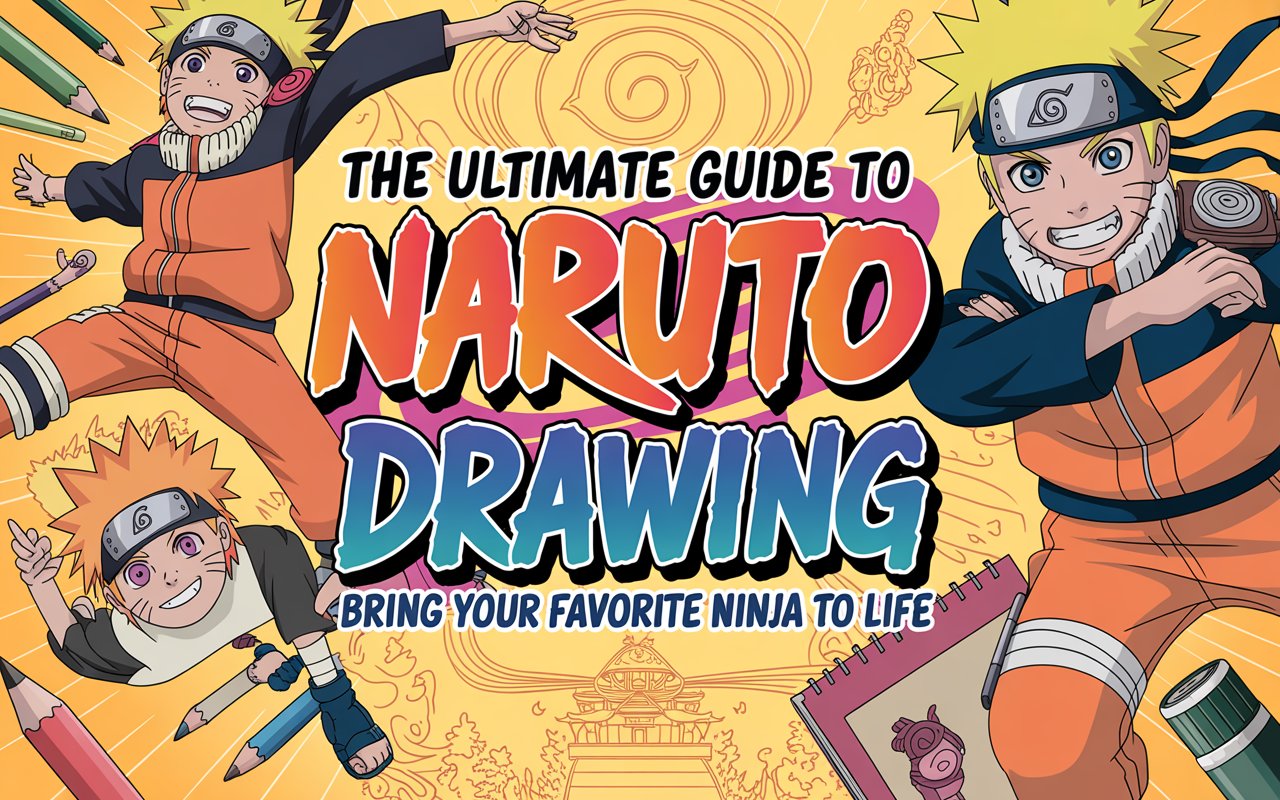
Once you’re comfortable with basics, try these:
-
Dynamic perspective: Draw Naruto leaping toward the viewer.
-
Lighting effects: Highlight dramatic scenes with strong light and shadows.
-
Motion lines: Show speed during jutsu attacks.
-
Digital coloring: Blend colors for vibrant, anime-style effects.
These techniques make your drawings feel alive, as if Naruto could jump off the page.
Practicing Regularly to Improve
Like mastering a jutsu, drawing skills improve with practice. Set small goals:
-
Draw Naruto once a day for 10 minutes.
-
Focus on one feature at a time—eyes, hair, or clothing.
-
Compare old drawings to track progress.
Consistency is magic. Your hands learn what your eyes already know, and over time, your drawings will capture the essence of the ninja world.
Sharing Your Naruto Art
Don’t keep your talent hidden! Share online, in fan communities, or with friends. Feedback helps you grow, and seeing others’ artwork inspires new ideas. Remember, art is a conversation—it grows when it’s shared.
Conclusion
Naruto drawing is more than sketching a character; it’s a journey into creativity, storytelling, and self-expression. From mastering his facial expressions to capturing his dynamic poses, every step improves both your art and your connection to the anime world. With patience, practice, and passion, you can bring Naruto and his friends to life on paper, telling your own version of their story.
FAQs About Naruto Drawing
1. What is the easiest way to start drawing Naruto?
Start with basic shapes to outline his head and body, then gradually add details like facial features, hair, and clothing. Practice regularly.
2. Do I need digital tools to draw Naruto?
No. Traditional tools like pencils, pens, and paper work perfectly, though digital tools offer flexibility for coloring and corrections.
3. How can I make Naruto’s poses look dynamic?
Focus on movement and balance. Use reference images, sketch action lines, and exaggerate body angles for motion.
4. How do I capture Naruto’s emotions in a drawing?
Emphasize the eyes, eyebrows, and mouth. Body language and posture are equally important to convey emotion.
5. Can beginners draw Naruto realistically?
Absolutely! Start with simple sketches, study proportions, and practice regularly. Over time, your drawings will naturally improve.