

Street fashion isn’t just about what you wear—it’s about how you live, how you express yourself, and how culture moves from the streets to the spotlight. Over the past decade, one name has become closely associated with this shift, turning casual clothing into a worldwide statement. This story isn’t just about hoodies, sneakers, or caps; it’s about music, identity, ambition, and the way modern culture travels faster than ever before. So how did a local idea turn into a global lifestyle phenomenon? Let’s explore the journey, influence, and future of Culture Kings.
The Birth of a Streetwear Powerhouse
Every big movement starts small. In the beginning, this brand emerged from a simple idea: bring authentic street style under one roof. It wasn’t about copying trends from high fashion runways. Instead, it focused on what people were actually wearing on the streets—in music studios, skate parks, and city neighborhoods.
The founders understood something crucial. Street fashion isn’t created in boardrooms; it’s created by communities. By paying close attention to youth culture, music scenes, and local creativity, they built a space that felt real. Think of it like planting a seed in the right soil—once it took root, growth was inevitable.
What Makes Streetwear More Than Just Clothing?
Why do people care so deeply about street style? Because it’s personal. Unlike traditional fashion, it doesn’t follow strict rules. You don’t need permission to participate. You just show up as yourself.
Streetwear works like a language. A graphic tee might represent a music movement. A pair of sneakers can signal loyalty to a subculture. When people dress this way, they’re telling a story without saying a word. That emotional connection is what separates everyday clothing from cultural symbols.
This brand understood that early on and treated fashion as a form of storytelling rather than a product line.
The Role of Music in Shaping Identity
Music and street style have always walked hand in hand. Hip-hop, rap, and urban sounds didn’t just influence playlists—they shaped attitudes, slang, and wardrobes. Artists became walking billboards for the culture they lived in.
By aligning itself with musicians, DJs, and performers, the brand became part of that world. Instead of chasing celebrities, it supported the scenes they came from. This approach built trust. Fans didn’t feel marketed to; they felt represented.
You could say music was the heartbeat, and fashion was the body moving to its rhythm.
From Local Stores to Global Recognition
At first, physical locations played a huge role. These weren’t just shops; they were experiences. Loud music, bold visuals, and a sense of energy made visitors feel like they’d stepped into a live event rather than a retail space.
As social platforms grew, that energy spread beyond store walls. Photos, videos, and collaborations traveled across borders in seconds. People thousands of miles away felt connected to a culture they hadn’t physically visited yet.
This global reach didn’t erase local roots—it amplified them.
Collaborations That Changed the Game
One major reason for rapid growth was collaboration. Working with artists, athletes, and creative brands helped push boundaries. These partnerships weren’t random; they were carefully chosen to align with shared values.
Each collaboration felt like a conversation between cultures. Instead of forcing logos together, the designs told a combined story. That’s why people lined up, refreshed websites, and shared drops like major events.
It’s similar to remixing a song—when done right, it feels fresh, not forced.
The Power of Limited Drops and Exclusivity
Scarcity creates excitement. Limited releases turned ordinary shopping into a thrilling chase. People didn’t just buy products; they hunted for them.
This strategy worked because it respected the audience. Instead of flooding the market, it rewarded loyalty. Owning a rare piece felt special, like being part of an inside circle.
But exclusivity wasn’t about exclusion. It was about celebrating dedication and passion.
Youth Culture and the Need for Self-Expression
Young people are always searching for ways to define themselves. Clothing becomes a tool for that exploration. Street fashion offers freedom—it doesn’t demand perfection or conformity.
By showcasing diverse models, styles, and backgrounds, the brand reflected real life. It sent a clear message: there’s no single way to belong. This inclusivity helped build a strong emotional bond with the audience.
When people see themselves represented, they don’t just become customers—they become supporters.
Retail as an Experience, Not a Transaction
Walking into one of these stores feels different. The environment is loud, energetic, and unapologetic. Music plays a central role, displays are bold, and staff often feel more like community members than salespeople.
This approach turns shopping into entertainment. Even if someone doesn’t buy anything, they leave with a memory. That emotional impact is powerful and rare in modern retail.
In a world of endless online options, experience became the real product.
Digital Presence and Social Influence
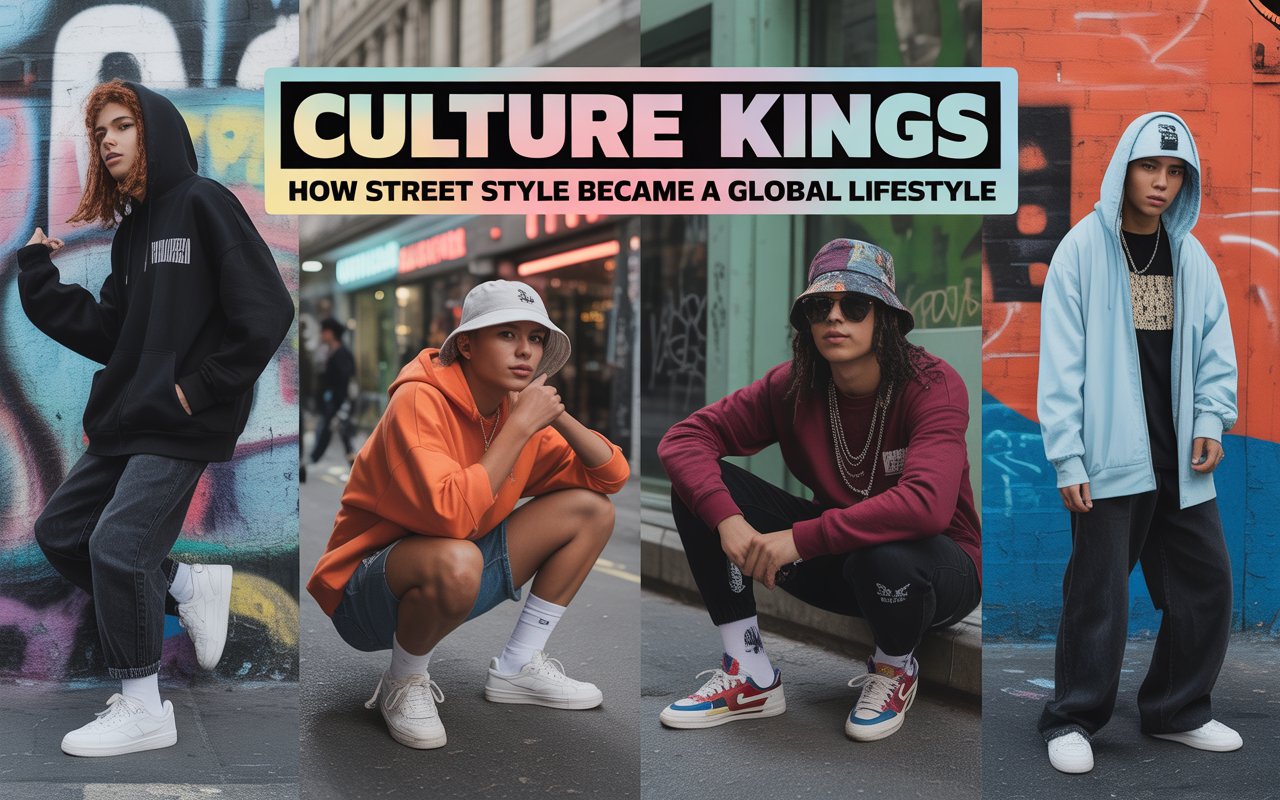
Online platforms played a massive role in expansion. Short videos, behind-the-scenes content, and live events made fans feel involved. Instead of polished ads, the content felt raw and real.
This authenticity mattered. People trust what feels human. By speaking the same language as its audience, the brand avoided sounding corporate or distant.
Social media became a bridge, not a billboard.
Challenges in a Fast-Moving Industry
Success doesn’t come without obstacles. Trends change quickly, and what’s popular today can feel outdated tomorrow. Staying relevant requires constant listening and adaptation.
There’s also the challenge of balance. Growth can sometimes dilute identity. The key has been staying true to core values while evolving with the times.
Think of it like surfing—you don’t control the waves, but you learn how to ride them.
Influence Beyond Fashion
The impact goes beyond clothing racks. It has influenced how brands interact with culture, how stores are designed, and how youth voices are amplified.
By blending fashion, music, and lifestyle, it helped redefine what a modern brand can be. It’s not just selling products; it’s shaping conversations.
That kind of influence leaves a lasting mark.
The Future of Street Culture
What lies ahead? Street style continues to evolve, absorbing new sounds, technologies, and social movements. Sustainability, digital fashion, and virtual spaces are becoming part of the conversation.
If history is any guide, the future will belong to those who listen closely and move honestly. As long as creativity stays at the center, this culture will continue to thrive.
After all, culture never stands still—and neither does streetwear.
Conclusion: More Than a Brand, a Movement
At its core, Culture Kings represents more than clothing. It represents a mindset—one that values authenticity, creativity, and community. By staying connected to the streets while embracing global influence, it turned everyday style into a shared identity.
Like a mirror held up to modern youth culture, it reflects who people are and who they want to become. And as long as people continue to express themselves through fashion, this movement will keep growing.
Frequently Asked Questions
What is Culture Kings best known for?
It is widely recognized for blending street fashion with music and youth culture, creating a lifestyle-driven retail experience rather than just selling clothing.
Why is streetwear so influential today?
Because it allows people to express identity freely, without rigid rules, and connects deeply with music, art, and social movements.
How did music help shape this brand’s image?
Music influenced design, collaborations, and marketing, helping the brand stay authentic and closely tied to real cultural scenes.
What makes its stores different from traditional shops?
They focus on atmosphere and experience, using sound, visuals, and community energy to create memorable visits.
Is street fashion just a trend or a long-term movement?
It’s a long-term cultural movement that continues to evolve, adapting to new generations, technologies, and values.