
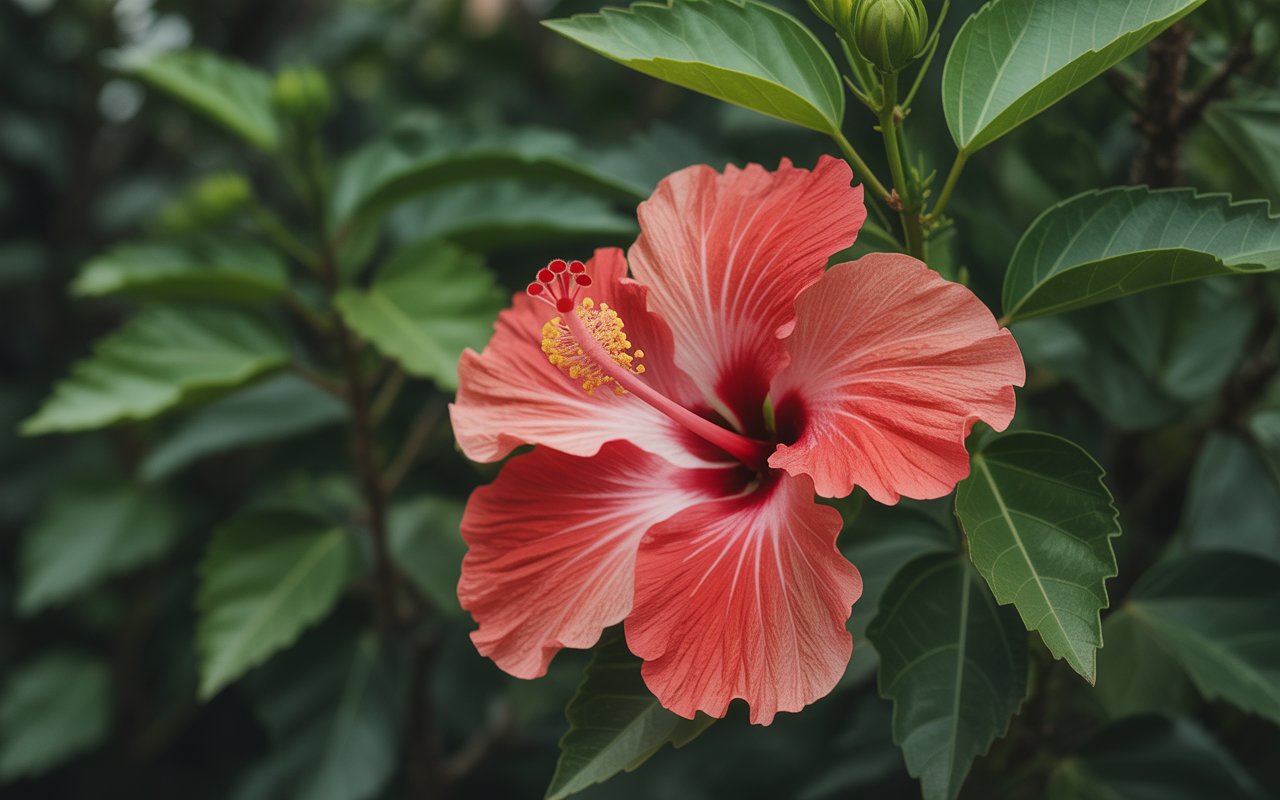

The hibiscus flower is one of those stunning natural wonders that immediately catch your eye. With its bold colors, delicate petals, and tropical charm, it has become a symbol of beauty, warmth, and even healing across different cultures. But beyond its good looks, this vibrant bloom carries stories, uses, and meanings that many people don’t know about.
In this comprehensive guide, we’ll walk through everything that makes the hibiscus so fascinating—from its scientific background to its place in traditional remedies, everyday uses, and even gardening tips. If you’ve ever wondered why this flower is loved around the world, you’re about to find out.
H2: Understanding the Hibiscus: A Flower with Many Faces
The Botanical Background
The hibiscus belongs to the Malvaceae family and includes hundreds of species, each featuring its own unique color, shape, and size. You’ll find varieties ranging from large, dramatic tropical blooms to more modest, hardy plants that thrive in temperate regions.
Varieties You May Have Seen
-
Tropical hibiscus: Large petals, vivid colors, evergreen leaves.
-
Hardy hibiscus: Bigger blooms, tolerates cooler climates.
-
Roselle: Known for edible calyces used in beverages and herbal remedies.
Each type offers something different—some delight the eyes, while others nourish the body.
H2: A Brief Look Into Its Origins
Where It All Started
The hibiscus mainly grows in warm regions, especially Asia, Africa, and the Pacific Islands. Over the centuries, it has traveled across continents due to its beauty and natural resilience.
Global Spread and Popularity
As trade routes expanded, so did the admiration for this plant. Today you’ll see it in:
-
Gardens
-
Spa products
-
Herbal teas
-
Cultural ceremonies
-
Hair treatments
It has made a name for itself in almost every corner of the world.
H2: Colors, Shapes, and What They Symbolize
What Different Colors Mean
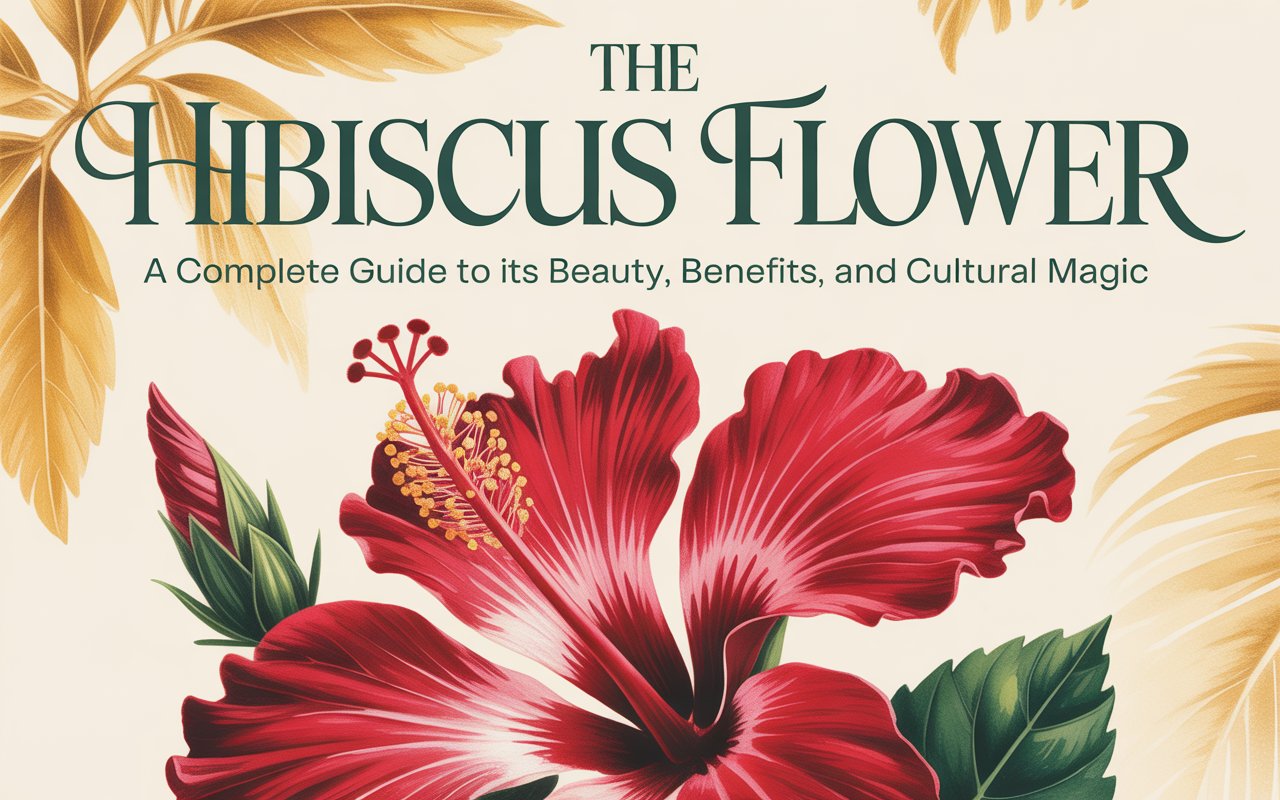
Hibiscus flowers come in many shades, each carrying a symbolic touch:
-
Red: Passion, love, vitality
-
Yellow: Happiness and warmth
-
Pink: Femininity and gratitude
-
White: Purity and spiritual calm
-
Purple: Mystery and creativity
Colors are more than appearances—each carries emotional depth rooted in folklore and cultural traditions.
Why the Hibiscus Stands Out
With its funnel-shaped petals and prominent central stamens, the hibiscus almost looks like it’s reaching out to greet you. It’s like a burst of sunshine captured in petals—a visual metaphor for tropical joy.
H2: Cultural Importance Around the World
A Symbol in Island Life
In places like Hawaii, hibiscus flowers are more than decorations—they represent hospitality, relaxation, and island spirit. They’re often worn behind the ear, gifted during greetings, or tucked into hair as a fashion symbol.
Role in Asian Traditions
Across South Asia, hibiscus is associated with beauty, spirituality, and healing. In some cultures, it is offered during ceremonial rituals or used in natural hair treatments to encourage shine and strength.
African Heritage Connections
In several African regions, hibiscus drinks carry deep cultural roots and are shared during gatherings as a symbol of unity and comfort.
H2: Health Benefits Backed by Tradition
Why People Use Hibiscus in Herbal Practices
Traditional medicine has long admired the hibiscus plant for its soothing and energizing qualities. Many cultures use its flowers or dried calyces to support balance and wellness.
Popular Benefits People Seek
-
Support for digestive comfort
-
Refreshing hydration
-
Natural antioxidants
-
Calmness and relaxation
-
Skin nourishment
-
Hair rejuvenation
It’s not a miracle cure—but it is a natural helper that generations have trusted.
H2: From Tea Cups to Kitchens: Everyday Uses
Refreshing Beverages
One of the most widespread uses of hibiscus is in drinks. Made from dried petals, its tea has a bright ruby color and a tangy taste—a bit like cranberry. It’s enjoyed hot or iced.
You may know it as:
-
Agua de Jamaica (Latin America)
-
Karkade (Egypt)
-
Zobo (Nigeria)
-
Sorrel drink (Caribbean)
Culinary Uses You Might Not Expect
Beyond tea, hibiscus can appear in:
-
Jams
-
Gelato
-
Herbal syrups
-
Sauces for desserts
-
Baked treats
Its natural color makes it a lovely plant-based dye too.
H2: Hibiscus for Skin and Hair Care
Why Beauty Traditions Love This Flower
Hibiscus has long been used in personal care because of its gentle, refreshing nature. Many swear by its use in hair oils, masks, and skin balms.
Common Beauty Uses
-
Natural conditioners
-
Scalp-soothing oils
-
Face masks
-
Cleansing powders
-
Herbal rinses
Some say it gives hair a “flower-soft shine”—a poetic description that fits perfectly.
H2: Growing Hibiscus at Home
Perfect Conditions to Help It Thrive
Even if you aren’t an expert gardener, you can grow hibiscus with minimal fuss. These plants love warmth, sunlight, and consistent watering.
Key Care Tips
-
Place in bright, direct sunlight
-
Water generously but avoid waterlogging
-
Add natural fertilizers during blooming periods
-
Protect from frost
-
Prune lightly for fuller growth
Think of caring for hibiscus like caring for a cheerful guest: give it warmth, light, and a little attention.
H2: Indoor vs Outdoor Hibiscus
Growing Indoors
Indoor hibiscus can flourish near windows or balconies. They brighten living spaces and bring a sense of calm.
Growing Outdoors
Outdoor hibiscus typically grows larger and flowers more often. Whether planted in the ground or pots, they become show-stopping features in gardens.
Each setting offers beauty—just choose what fits your lifestyle.
H2: How to Harvest and Dry Hibiscus Flowers
A Simple Step-by-Step Guide
-
Pick flowers when fully open.
-
Remove petals or calyces gently.
-
Rinse lightly and pat dry.
-
Spread on a clean tray under shade.
-
Let them dry naturally for several days.
-
Store in airtight jars.
This process preserves color and freshness for teas and herbal mixes.
H2: Environmental Benefits of the Hibiscus Plant
Why It Matters
Beyond beauty, the hibiscus plays a role in supporting local ecosystems. It attracts butterflies, bees, and hummingbirds—helping pollination thrive.
Low Impact, High Value
Hibiscus grows easily, requires minimal chemicals, and adapts to different soils. That makes it a friendly choice for nature-conscious gardeners.
H2: The Hibiscus as a Symbol of Resilience
Just like a person who blooms despite challenges, the hibiscus thrives in heat, humidity, and sometimes even poor soil. It’s like life’s reminder that beauty often comes from endurance. That’s probably why so many cultures treat this flower as a symbol of strength and hope.
Conclusion
The hibiscus flower is more than a striking bloom—it’s a bridge between nature, culture, wellness, and everyday life. Whether you enjoy it in tea, grow it in your garden, or admire it for its symbolism, this flower carries a blend of beauty and meaning that few other plants can match.
Its presence is a reminder of tropical calm, cultural richness, and natural charm. And perhaps that’s why so many people around the world feel drawn to it—it connects us to a sense of warmth and peaceful simplicity.
FAQs
1. What can you use hibiscus flowers for?
They’re commonly used for herbal drinks, natural beauty treatments, culinary syrups, and decorative purposes.
2. Is hibiscus safe to drink every day?
Most people can enjoy it regularly, especially as tea, although moderation is always recommended.
3. How long does a hibiscus plant live?
With proper care, hibiscus plants can live several years—some hardy varieties survive even longer.
4. Can hibiscus grow indoors?
Yes, hibiscus grows well indoors if placed in bright sunlight and watered regularly.
5. Why is hibiscus tea so popular worldwide?
Its refreshing taste, rich color, cultural history, and natural antioxidants make it a favorite in many regions.